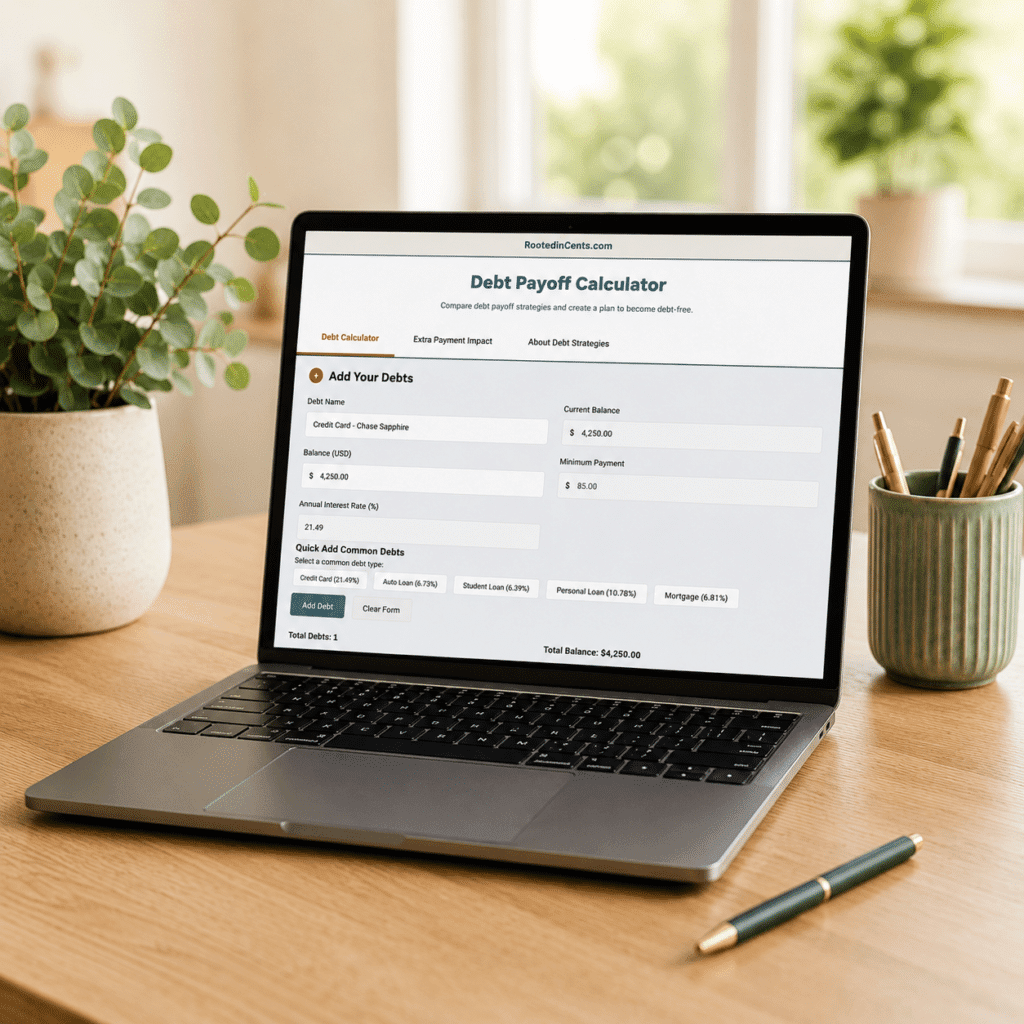

When we lived on one income, we often focused on small savings goals rather than trying to make dramatic changes overnight. Setting aside even modest amounts every pay period helped us build momentum and stay focused on larger financial goals over time.
One of the biggest misconceptions about saving money is that you need large amounts to make meaningful progress. In reality, consistency often matters more than the amount itself. Small actions repeated every pay period can add up surprisingly quickly.
That’s why biweekly money-saving challenges can be so effective. Instead of focusing on a large goal that feels overwhelming, you break it into manageable steps that fit within your normal routine. Over time, those small wins can help build confidence, create better financial habits, and move you closer to your savings goals.
Whether you’re building an emergency fund, preparing for a future one-income transition, paying down debt, or simply trying to create more financial stability, a biweekly savings challenge can help you stay focused and make steady progress.
In this article, we will explore the benefits of biweekly money-saving challenges and provide a step-by-step guide on creating your own savings plan. We will also offer practical tips and tricks for success, difficulties tailored for different budgets, and strategies for turning challenges into habits.
Key Takeaways
- Biweekly money saving challenges can help you maximize your savings and achieve financial freedom.
- Breaking down savings goals into manageable steps provides a sense of accomplishment and motivation.
- Creativity, discipline, and consistency are keys to successful biweekly money saving challenges.
Why Biweekly Challenges for Saving Money?
Are you tired of setting lofty savings goals and then struggling to reach them? Biweekly challenges for saving money might be the solution you need. By breaking down your savings goals into manageable steps, biweekly challenges can help you stay on track, boost your motivation, and ultimately achieve financial success. Here’s why:
Shorter-term goals provide psychological benefits
When you set a long-term savings goal, it can be easy to lose sight of the big picture and get discouraged along the way. Biweekly challenges, on the other hand, allow you to set shorter-term goals that feel more achievable and provide a greater sense of progress and accomplishment.
Consistency is key
Saving money is all about consistency. Biweekly challenges provide a consistent savings schedule, which helps you develop good habits and make progress towards your goals without getting overwhelmed.
Biweekly challenges offer a sense of accomplishment and motivation
Completing a biweekly money saving challenge can provide a sense of accomplishment and motivation to keep going. Plus, the feeling of seeing your savings grow every two weeks can be a powerful motivator to continue with the challenge and stay on track towards your overall financial goals.
Overall, biweekly challenges for saving money can be a great way to jumpstart your savings and achieve financial success. Ready to get started? Keep reading for tips on creating a biweekly savings plan and completing successful challenges.
By breaking down your savings goals into manageable steps, biweekly challenges can help you stay on track, boost your motivation, and ultimately achieve financial success.
Creating a Biweekly Savings Plan
Step 1: Set Realistic Savings Goals
The first step to creating a biweekly savings plan is to set specific and achievable goals. Determine how much you want to save each month and break it down into biweekly contributions. It’s important to be realistic and set goals that are attainable with your income and expenses.
Step 2: Identify Areas for Potential Savings
Take a closer look at your expenses and identify areas where you can cut back. Skipping your morning latte or packing your lunch instead of eating out are easy ways to save money. Review your monthly bills and see if there are any services or subscriptions that you can cancel or negotiate for a better price.
Step 3: Create a Budget
Create a budget that outlines your income and expenses. Be sure to include your biweekly savings contributions as an expense. This will help you stay accountable and track your progress towards your savings goals.
Step 4: Automate Your Savings Contributions
One of the easiest ways to ensure consistent savings contributions is to automate them. Set up automatic transfers from your checking account to your savings account biweekly. This will help you stay on track and make it easier to reach your savings goals.
Step 5: Review and Adjust Your Plan
Review your biweekly savings plan regularly and make adjustments as needed. If you find that you’re not able to meet your goals, consider adjusting your budget or finding new ways to save money. Celebrate your successes along the way and stay motivated to achieve your long-term financial goals.
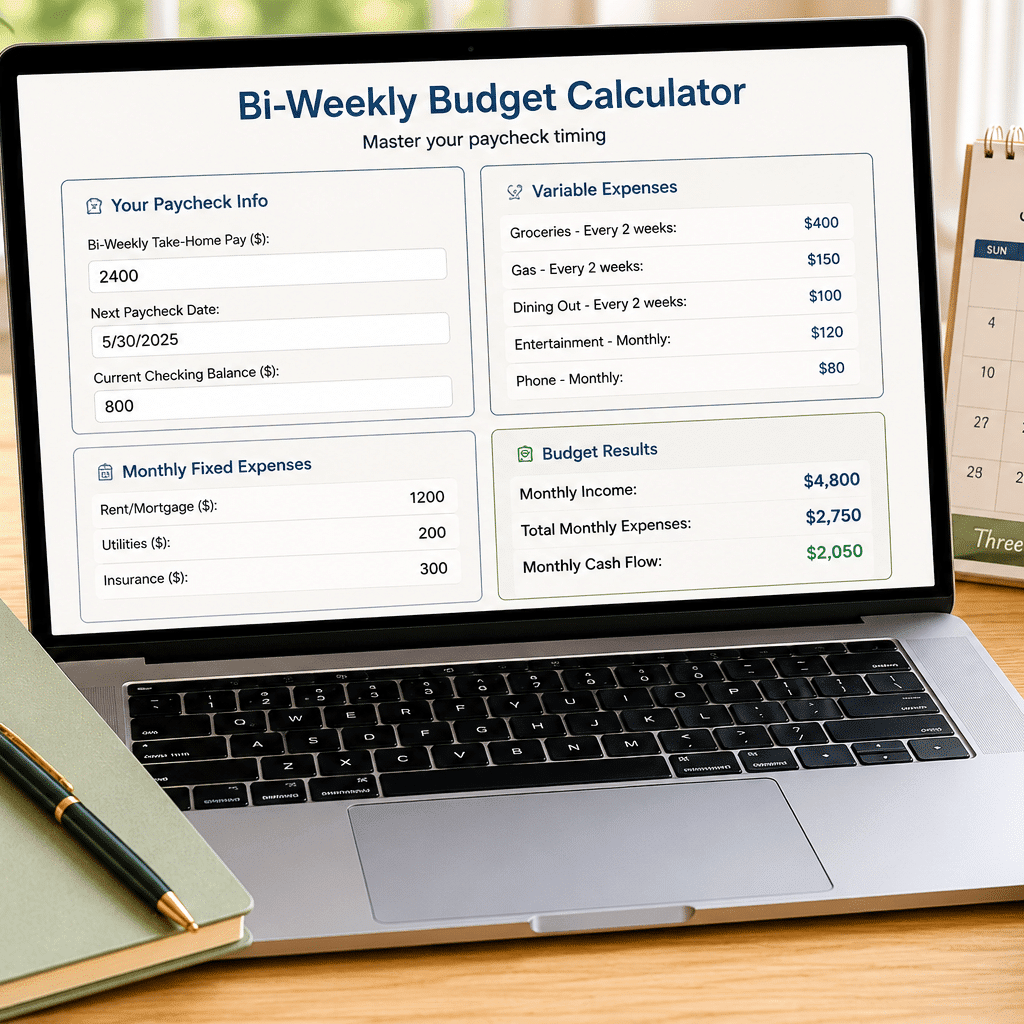
Want to see how much you can actually save every two weeks?
Try our free Bi-Weekly Budget Calculator to set realistic goals, track your spending, and stay motivated.
Biweekly Money Saving Challenges: Tips and Tricks
Completing a biweekly money saving challenge can be a challenging but rewarding experience. Here are some practical tips and tricks to help you get the most out of your challenge:
Reduce Expenses
One of the most effective ways to save money is to cut down on expenses. Start by analyzing your spending habits and identifying areas where you can reduce costs. Some ideas include:
- Limit eating out and cook at home instead
- Canceling unnecessary subscriptions
- Using coupons and discount codes when shopping
Small changes can add up to significant savings over time!
Find Creative Ways to Save
Think outside the box when it comes to saving money. Here are some creative ideas to incorporate into your biweekly money saving challenge:
- Try a “no-spend” challenge for a week or more
- Organize a clothing swap with friends instead of buying new clothes
- Cut down on transportation costs by walking or biking instead of driving
Remember, the goal is to save money while still enjoying life!
Stay Motivated
Staying motivated throughout your biweekly money saving challenge can be difficult, but it’s crucial for success. Here are some tips to help:
- Track your progress using a spreadsheet or app
- Reward yourself for meeting savings goals
- Remind yourself of the long-term benefits of saving money
Recall that every small step counts, and don’t let setbacks discourage you.
Automate Savings Contributions
Automating your savings contributions can make the process much easier and less stressful. Consider setting up automatic transfers from your checking account to your savings account every payday. This way, you won’t have to worry about manually transferring money, and your savings will grow without any additional effort on your part.
Increase Your Income
If reducing expenses isn’t enough to meet your savings goals, consider finding ways to increase your income. Some ideas include:
- Taking on a side hustle or part-time job
- Selling unused items online or at a garage sale
- Asking for a raise at your current job
Remember, every little bit helps when it comes to saving money!
Long-Term Benefits of Biweekly Money Savings
While biweekly money saving challenges offer immediate satisfaction and financial relief, their long-term benefits are just as valuable. Consistent contributions to savings accounts can provide a sense of security and stability, as well as create opportunities for future financial growth.
One of the most significant long-term benefits of biweekly money savings is the creation of an emergency fund. Unexpected expenses, such as medical bills or home repairs, can quickly derail even the most careful budget. However, an emergency fund can provide a cushion to weather these unexpected events without using credit cards or loans.
Additionally, biweekly money savings can help individuals achieve their long-term financial goals, such as buying a home or paying for college. By contributing a little bit each paycheck, savings can grow exponentially over time, allowing for larger purchases without incurring debt.
For those with debt, biweekly savings can also be used to accelerate repayment. By allocating a portion of each paycheck to debt repayment, individuals can quickly reduce their outstanding balances and save on interest payments over time.
Ultimately, incorporating biweekly money savings into one’s financial routine can lead to a greater sense of financial freedom. By reducing financial stress and providing a cushion for unexpected expenses, individuals can focus on pursuing their passions and goals, rather than worrying about making ends meet.
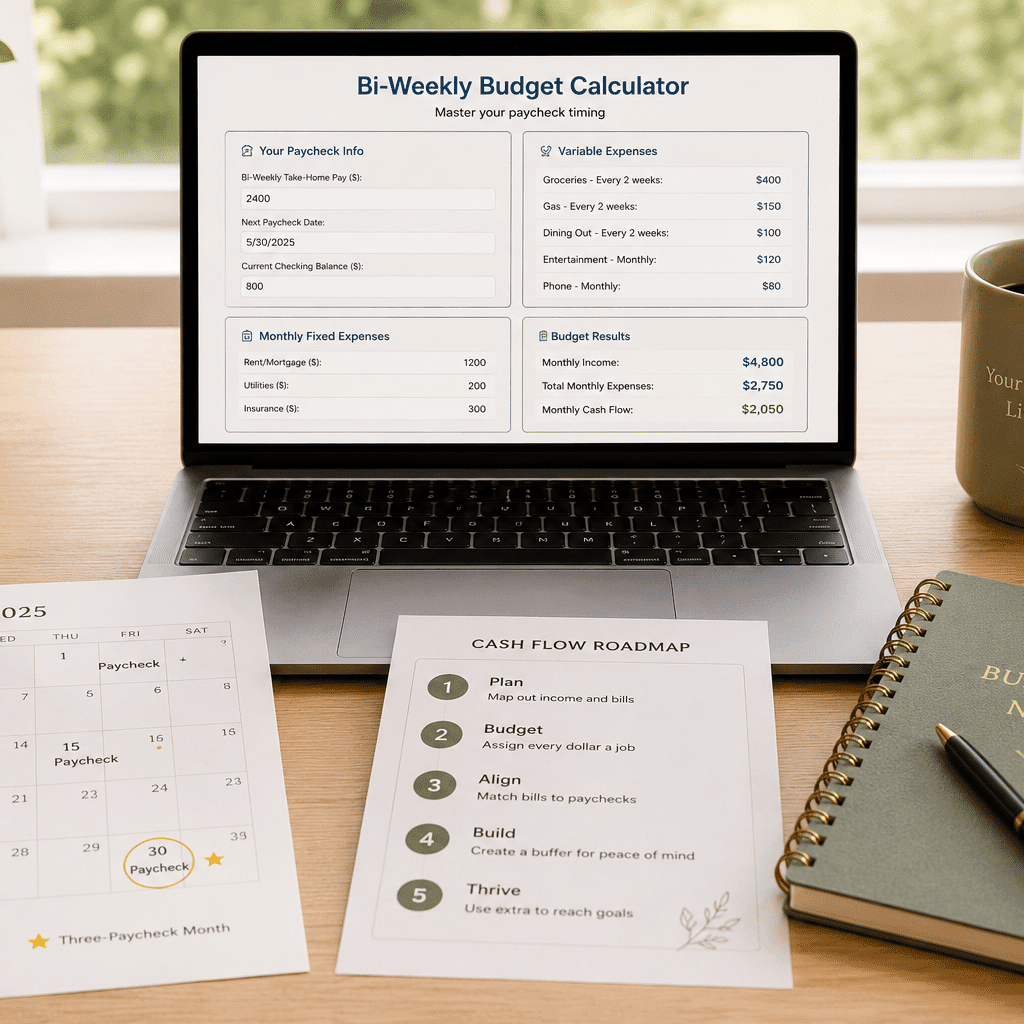
By contributing a little bit each paycheck, savings can grow exponentially over time, allowing for larger purchases without incurring debt.
Challenges for Different Budgets
Biweekly money-saving challenges can be tailored to fit any budget. Here are some ideas to get you started:
| Budget | Challenge |
|---|---|
| High-Income Earners | Set a goal to save $500 biweekly by reducing discretionary spending, such as dining out or shopping, and allocating that money towards savings. |
| Low-Income Earners | Challenge yourself to save $50 biweekly by cutting back on non-essential expenses, such as streaming services or coffee shop visits. |
| Students | Try to save $20 biweekly by meal prepping instead of eating out, or by using public transportation instead of ride-sharing services. |
| Parents | Create a biweekly savings plan by cutting back on grocery expenses, using coupons, or switching to generic brands to save $100 per paycheck. |
Remember, the key to a successful biweekly money-saving challenge is to set a realistic goal and make small, consistent changes to your spending habits. Don’t be afraid to get creative and find new ways to save money each week.
Looking for more money saving ideas? Check out our other sections for tips and tricks to help you reach your financial goals.
Turning Challenges into Habits
Completing a biweekly money saving challenge can be a great accomplishment, but turning it into a long-term habit is where the real benefits lie. Consistency is key when it comes to achieving financial goals, and this means making saving a regular part of your routine.
One effective strategy for turning challenges into habits is to create a system of accountability. This could mean finding a savings buddy or joining a community of like-minded individuals who can offer support and encouragement along the way. By sharing your progress and challenges with others, you’ll feel a greater sense of motivation to keep going.
Tracking your progress is also crucial for maintaining momentum. Whether through a spreadsheet, app, or notebook, keeping a record of your savings contributions and milestones can help you stay on track and identify areas for improvement. Additionally, setting up automatic savings contributions can help to take the guesswork out of saving and ensure that you’re consistently making progress.
When it comes to staying motivated, it’s important to remember why you started the challenge in the first place. Whether you’re saving for a specific goal or simply looking to improve your financial wellness, reminding yourself of the bigger picture can help you stay committed to the process.
Over time, saving money can become less of a challenge and more of a habit. By consistently setting aside money each pay period and finding creative ways to cut expenses, you’ll be well on your way to achieving financial security and freedom.

Remember, the key is to start small and build momentum over time. By incorporating biweekly money saving challenges into your financial routine, you’ll be well on your way to achieving your financial goals.
Celebrating Milestones and Progress
Biweekly money saving challenges require consistent effort and dedication, so it’s important to take the time to celebrate your progress and milestones along the way. Recognizing your successes can boost motivation and encourage continued commitment to the challenge.
One way to celebrate is by rewarding yourself for achieving savings goals. This can be as simple as treating yourself to a favorite snack or indulging in a small luxury item. For larger milestones, consider a bigger reward, such as a weekend getaway or a special purchase.
| Milestone | Reward |
|---|---|
| Save $500 | A spa day |
| Save $1000 | A weekend getaway |
| Pay off a debt | A celebratory dinner |
In addition to rewards, tracking your progress can also be a great way to celebrate and stay motivated. Create a visual representation of your savings journey, such as a chart or graph, and update it regularly. Seeing how far you’ve come can be incredibly satisfying and inspire you to keep going.
Remember, the key to successful biweekly money-saving challenges is consistency and commitment. Celebrating milestones and progress can help you stay motivated and on track to achieving your financial goals.
Conclusion
For many years, we’ve relied primarily on one income, and one of the biggest lessons we’ve learned is that financial progress rarely comes from one big decision. More often, it comes from small habits repeated consistently over time. Setting aside even modest amounts every pay period helped us build momentum, prepare for unexpected expenses, and create a little more breathing room in our budget.
That’s why biweekly savings challenges can be so effective. They take a larger goal and break it into manageable steps that feel realistic and sustainable. Whether you’re building an emergency fund, paying down debt, preparing for an income change, or simply trying to strengthen your finances, small actions can add up faster than you might expect.
The goal isn’t perfection. It’s progress. Every paycheck is another opportunity to make a small decision that moves you closer to greater financial stability, flexibility, and peace of mind.
With the right mix of discipline, creativity, and celebration along the way, you can transform simple biweekly challenges into powerful financial habits. Start today, keep it steady, and watch how quickly those small steps add up to big results.
Ready to put your savings plan into action?
Start today with our easy-to-use Bi-Weekly Budget Calculator and watch your progress grow every two weeks.
FAQ
Q: What are biweekly money saving challenges?
They’re short two-week savings goals that make saving feel manageable. Instead of aiming for a big lump sum, you build progress every payday.
Q: Why should I try biweekly challenges?
They keep you consistent, motivated, and make saving less overwhelming by breaking it into small steps.
Q: How do I create a biweekly savings plan?
Set a realistic goal, cut small expenses, add savings into your budget, and automate transfers every two weeks.
Q: What are the long-term benefits?
Over time, biweekly saving helps you build an emergency fund, pay down debt faster, and hit bigger financial goals.
Q: Can this work for different budgets?
Yes! Whether you save $20 or $200 every two weeks, the habit matters more than the amount.