Why These Grocery Purchases Quietly Increase Spending
Grocery purchases that quietly increase spending are often the hardest to notice — especially as grocery prices continue to rise. Groceries are one of the few expenses we repeat every single week, which means small decisions don’t stay small. Over time, they compound.
According to the USDA, food prices have increased steadily in recent years, which means grocery spending feels tighter even when buying the same items week after week.
The grocery purchases in this post all have one thing in common. They feel reasonable in the moment, but when prices rise, and those purchases repeat, they quietly push spending higher. None of them are “bad” purchases on their own. The issue is how often they show up, especially in a higher-price environment.
These are nine grocery purchases we’ve adjusted or stopped buying regularly as prices increased, and the systems we use instead to keep our grocery spending predictable, without coupons or extreme frugality.
1. What We Buy Instead of Individual Drinks and Snacks
Single-serve drinks and snack packs make sense when you’re packing lunches. Mornings are busy, and convenience matters.
The issue is how often those purchases repeat, week after week.
I homeschooled my boys for years, so they were used to hot lunches at home. Even sandwiches were usually grilled, not cold. When they later attended a hybrid program a couple days a week, keeping lunches hot still mattered.
Instead of buying individual drinks and packaged snacks, I bought:
- large gallon jugs of drinks
- thermoses
- crush-proof containers for chips
Later, I purchased heated lunch bags that kept food hot for up to eight hours and cold for six to eight hours. I used leftovers and packed them directly into those bags.
That single change replaced single-serve drinks, packaged snacks, and pre-made lunch items, without changing what my kids actually ate. The savings didn’t come from eating differently. They came from transporting food differently.
2. Why Pre-Cut Produce Costs More Over Time
Pre-cut produce looks efficient, but it often costs more and spoils faster.
For example:
- pre-cut celery goes bad quicker than full stalks
- chopped vegetables dry out sooner
- you pay for convenience you may not fully use
I do buy baby carrots, but only in amounts I know we’ll eat. I usually coordinate them with a roast or a meal where I know they’ll be used up quickly.
Whole produce lasts longer, costs less per pound, and gives you more flexibility across meals.
3. When Convenience Foods Make Sense—and When They Don’t
There was a season when this made sense for us.
When one of my sons attended a technical high school for a semester, school lunch was $5.50 for one slice of pizza and a drink. Instead, I bought larger, single-serve heated meals, usually around $2 each when on sale.
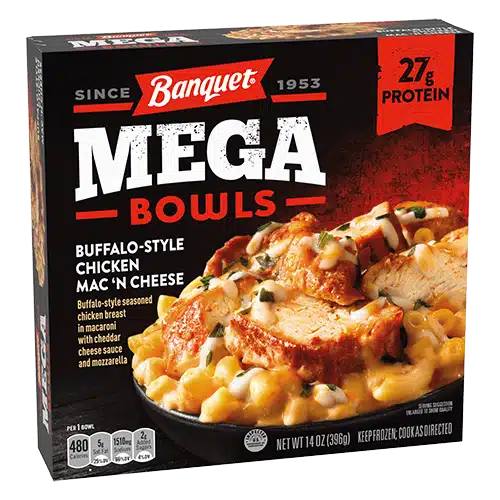
I packed them in heated lunch bags and transferred them to leak-proof containers. If they were over $2, I skipped them. Sometimes the chips, sandwich, and drink cost more than the meal itself.
This wasn’t a permanent habit; it was a short-term solution for a specific season. The key was price awareness and using systems to control how often purchases were repeated.
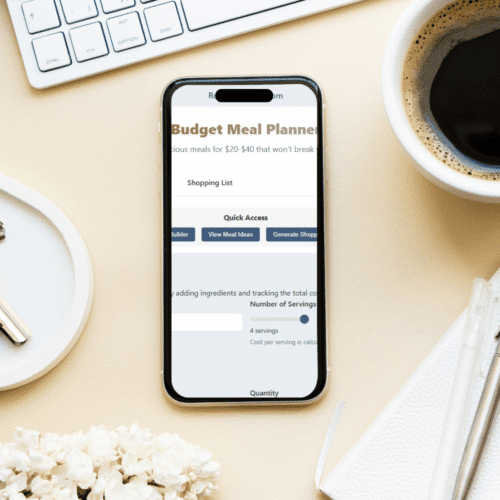
If you want to see how small grocery habits add up in your own budget, I built a Grocery Savings Calculator that helps you spot repeat costs and patterns using your real numbers, no coupons or extreme rules.
4. How “Just in Case” Grocery Purchases Increase Spending
Backup food sounds responsible until it quietly becomes waste.
In our house:
- I like mayo
- my husband and one son preferred Miracle Whip
When my son was in a sandwich phase, we kept running out of Miracle Whip. A sale came along, so I bought four jars.
Then the taste changed. My husband and son stopped liking it. Those jars sat in the pantry until they expired.
I didn’t notice until I did a $50-per-week grocery challenge and cleaned everything out. That food was money spent with good intentions, and zero return.
Now they use refrigerated ranch or Chick-fil-A sauce instead, and we only keep what’s actively used.
5. Why Some Meat Purchases Cost More Than They’re Worth
I barely eat meat, and when I do, it’s in small portions or once a week. When my kids were younger, we didn’t eat beef or pork at all. We still don’t eat pork.
When my sons and husband wanted to try beef again, we experimented:
- Bubba burgers (eventually tasted like liver)
- steaks and beef cubes from a recommended local store (tough, liver-like taste)
I later learned that older cattle, often sold during feed or water shortages, can develop that flavor. We even bought a 5-pound tray of beef from Costco that looked great on top but was rotten in the middle. We returned it.
Now we stick to:
- ground chicken
- chicken breasts and thighs from Costco Business Center
- chorizo, beef or soy(for me)
- salmon when we can find it
- canned young green jackfruit seasoned like chicken
- hearts of palm seasoned and fried like seafood
Everyone enjoys these, and we buy beef maybe four times a year, if that.
6. When Generic Brands Reduce Grocery Spending
We don’t assume generic is always better, or always worse.
Every month, we test:
- one brand-name item
- one generic version
If the generic is inferior, we don’t buy it again. If it’s equal or better, it becomes our new default.
Some things that passed:
- Walmart thin and crispy tortilla chips
- Walmart restaurant-style salsa (cut vegetables, better texture)
Very few soups, crackers, and seasonings make the cut, but when they do, the savings are permanent.
I also keep a $25 grocery buffer for:
- sales
- stocking items we already use
- these taste-test challenges
7. How We Stretch Beverages Without Giving Them Up
We mostly drink water. We have:
- a whole-house water filter
- a home water purifier
We don’t buy bottled water.
We don’t buy juice regularly either, except for occasional green juices, white grape juice, or no-sugar-added apple juice. Tea is homemade.

If flavored sparkling water is on sale, we may buy four or five 12-packs, which lasts quite a while. We also buy kombucha, but I mix it into tea, so one bottle lasts several days. A case can stretch to a month or more.
8. How We Make Trends Work With What We Already Buy
We do try trends, but only when they use ingredients we already buy.
Examples:
- pizza cupcakes (canned biscuits, sauce, turkey pepperoni, mozzarella in a muffin pan)
- taco cupcakes
- sushi bowls instead of rolls
For sushi bowls, we keep:
- sushi or sticky rice
- tuna
- sriracha
- cucumbers and avocado
- pickled ginger
- full seaweed sheets
- sesame seeds
If we don’t feel like rolling, we dump everything in a bowl and tear the seaweed into strips. It still tastes like sushi — without buying specialty items we won’t use again.
9. How Grocery Apps Help Control Impulse Spending
Checkout is designed to make you think a few extra dollars won’t matter.
That’s why we stick closely to our list and budget. It’s also why I prefer grocery apps; they’re far less tempting than standing in line, especially with kids.
Apps will prompt things like “Missing something?” and show previous purchases. At least those are items we’ve bought before, not impulse snacks placed at eye level.
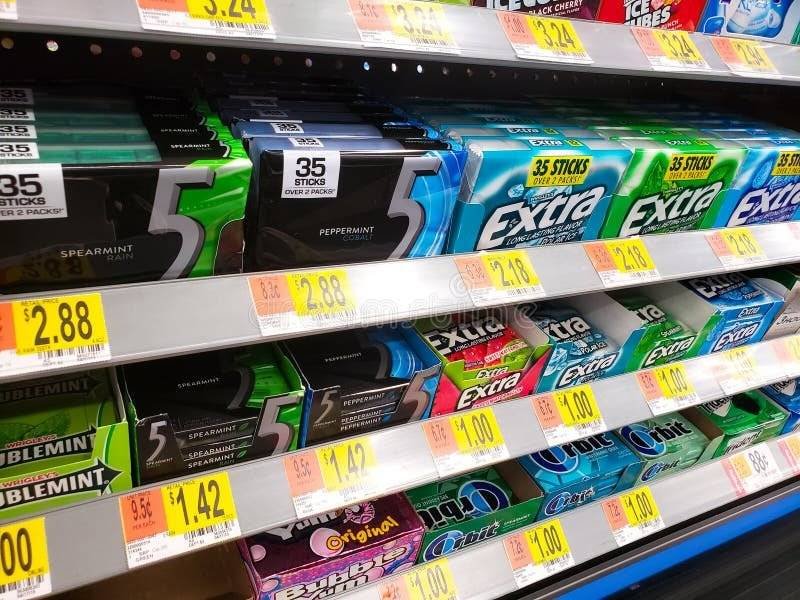
When we shopped in-store, I handled this by:
- letting my kids look first
- budgeting for a treat ahead of time
- buying the family-size version instead
It cost less, lasted longer, and stayed inside our buffer instead of blowing the budget.
If you’re wondering which of these habits is quietly costing you the most, I built a simple Grocery Savings Calculator to help with exactly that.
It lets you plug in your real grocery habits and see where small weekly decisions add up over time, without coupons, spreadsheets, or extreme rules.
Final Thought
None of these changes were about restriction. They were about reducing repeat costs in a higher-price environment and removing decisions that didn’t deserve weekly attention.
When grocery spending is guided by systems instead of habits, the budget stops feeling fragile. You don’t have to renegotiate the same choices every trip, and that consistency is where long-term savings actually come from.
If you want help identifying where grocery spending quietly adds up in your own household, the tools at RootedInCents.store are designed to make those patterns visible, so you can adjust once and let the system do the work.