
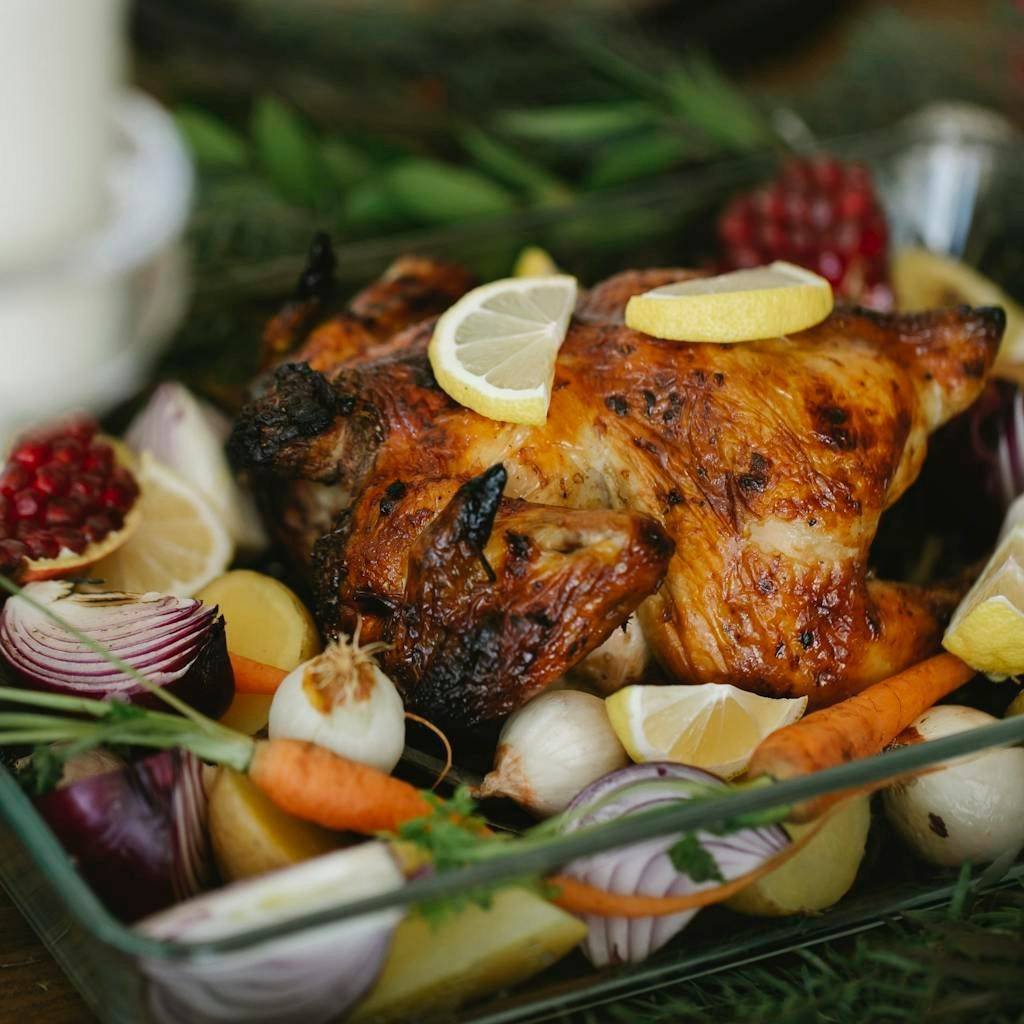
The $200 Restaurant Meal You Can Make for $35
Stop here if this sounds familiar: You love fine dining but cringe at spending $150+ per person for a meal that lasts two hours. You’ve tried copying restaurant recipes at home only to end up with expensive ingredients and disappointing results that taste nothing like what you paid premium prices for.
The truth? Most home cooks focus on expensive ingredients when restaurants actually win through technique, timing, and presentation secrets that have nothing to do with cost.
In this detailed guide, you will learn:
- ✓ 30+ professional cooking techniques that create restaurant-quality results at home
- ✓ The real secrets behind why restaurant food tastes better (it’s not the ingredients)
- ✓ How to source quality ingredients for 70% less than specialty stores
- ✓ Presentation and plating techniques that make $20 meals look like $80 dishes
- ✓ Time management systems to create multi-course gourmet meals efficiently
Restaurant vs. Home Gourmet
Fine dining restaurant: $85-150 per person vs. Home gourmet: $18-35 per person.
Same ingredients, same techniques, 75% savings with the right knowledge
Creating restaurant-quality gourmet meals at home isn’t about expensive ingredients; it’s about mastering professional techniques, smart ingredient sourcing, and understanding what makes food truly exceptional. These strategies transform ordinary home cooking into extraordinary dining experiences at a fraction of restaurant costs.
Foundation: Understanding Gourmet Cooking
What Makes Food “Gourmet”
Technique Over Ingredients
Professional truth: 80% of gourmet cooking is technique, 20% is premium ingredients. Master the fundamentals:
- Proper seasoning: Salt at every stage, not just at the end
- Temperature control: Understanding when to use high, medium, and low heat
- Timing: Building flavors in the correct sequence
- Texture contrast: Combining crispy, creamy, and tender elements
- Acid balance: Using citrus, vinegar, or wine to brighten flavors
These five sauces form the foundation of all professional cooking:
| SAUCE | MAKE AT HOME | BUY AT RESTAURANT |
| Béchamel | $1.50/pint | $8/pint |
| Velouté | $2.00/pint | $10/pint |
| Hollandaise | $2.25/pint | $15/pint |
| Espagnole | $3.50/pint | $12/pint |
| Tomato | $1.75/pint | $9/pint |
Chef Secret: Temperature Zones
Professional kitchens use multiple heat sources simultaneously. Recreate this with:
- Cast iron pan for high-heat searing
- Stainless steel for deglazing and pan sauces
- Low oven (200°F) for keeping foods warm
- Immersion circulator for sous vide precision
Advanced Cooking Techniques
Professional Methods You Can Master
Sous Vide Without Expensive Equipment
Professional method: Precise temperature cooking for perfect results every time
Budget setup: Large pot + thermometer + zip-lock bags = $25 vs $200 immersion circulator
Perfect Steak: $12 vs $45 restaurant
Salmon Fillet: $8 vs $32 restaurant
Technique: Seal proteins in zip-lock bags, maintain water temperature with thermometer and stovetop adjustments.
Reverse Searing Method
Restaurant technique: Low oven cooking followed by high-heat searing
Why it works: Even cooking throughout with perfect crust
Home application: 275°F oven until internal temp, then screaming hot cast iron for 90 seconds per side
Result: Steakhouse-quality results with grocery store meat
Emulsification Mastery
Professional sauces depend on stable emulsions:
- Hollandaise: Slowly whisk warm butter into egg yolks
- Mayonnaise: Oil dropwise into egg yolks with constant whisking
- Beurre blanc: Cold butter whisked into wine reduction
- Pan sauces: Butter finish for glossy, restaurant-quality appearance
Fresh Herb Oil & Compound Butters
Chef Secret: Flavor Bombs
Restaurants use these to elevate simple dishes:
- Herb oils: Blend fresh herbs with neutral oil, strain
- Compound butters: Mix softened butter with herbs, garlic, citrus
- Flavor salts: Kosher salt mixed with dried herbs, citrus zest
- Finishing oils: High-quality olive oil drizzled just before serving
Smart Ingredient Sourcing
Protein Strategies
Whole animal purchasing: Buy whole chickens, break down yourself (50% savings)
Less popular cuts: Hanger steak, chuck eye, pork shoulder = restaurant quality at budget prices
Frozen seafood: Individually frozen fish often fresher than “fresh” at fish counters
Aging at home: Dry-age steaks in your refrigerator for 3-7 days
Cheese & Dairy Upgrades
Farmer’s market connections: Direct relationships with producers
Wholesale buying: Split wheels of cheese with other food enthusiasts
Seasonal timing: Spring/summer for fresh cheeses, fall/winter for aged
Storage mastery: Proper wrapping extends life and maintains quality Spice & Seasoning Excellence
Spice & Seasoning Excellence
Whole spice buying: Toast and grind yourself for maximum flavor
Ethnic markets: Better prices and authenticity than grocery stores
Online specialty sources: Penzeys, The Spice House for restaurant-quality spices
Growing your own: Fresh herbs year-round with minimal investment Specialty Ingredients Access
Specialty Ingredients Access
Online sources: Williams Sonoma, Sur La Table for hard-to-find items
Restaurant supply stores: Open to public, commercial quality at wholesale prices
Foraging communities: Wild mushrooms, herbs, and seasonal specialties
Preservation techniques: Pickle, ferment, and preserve seasonal bounty
Signature Gourmet Dishes
| MEAL | TECHNIQUE | SERVE WITH | RESTAURANT PRICE | AT HOME PRICE |
| Duck Confit | Slow-cook duck legs in their fat at 200°F for 3 hours. Crisp skin under the broiler before serving. | Roasted fingerling potatoes and cherry gastrique | $45 | $22 |
| Seared Scallops | Pat dry, season, sear in screaming hot pan without moving for 2-3 minutes. Flip once. | Cauliflower purée and crispy pancetta | $37 | $28 |
| Beef Wellington | Sear beef tenderloin, coat with mushroom duxelles, wrap in puff pastry. Bake at 400°F. | Red wine reduction and roasted root vegetables | $95 | $35 |
| Lobster Thermidor | Steam lobster, make béchamel with white wine, broil with cheese topping | Drawn butter and microgreens | $75 | $32 |
| Mushroom Risotto | Roast arborio rice, add warm stock gradually, finish with butter and parmesan. | Truffle oil drizzle and fresh herbs | $32 | $12 |
| Rack of Lamb | Sear fat-side down, herb crust with breadcrumbs, finish in 425°F oven | Mint chimichurri and roasted vegetables | $52 | $25 |
Elevate Your Home Cooking while Staying on Budget
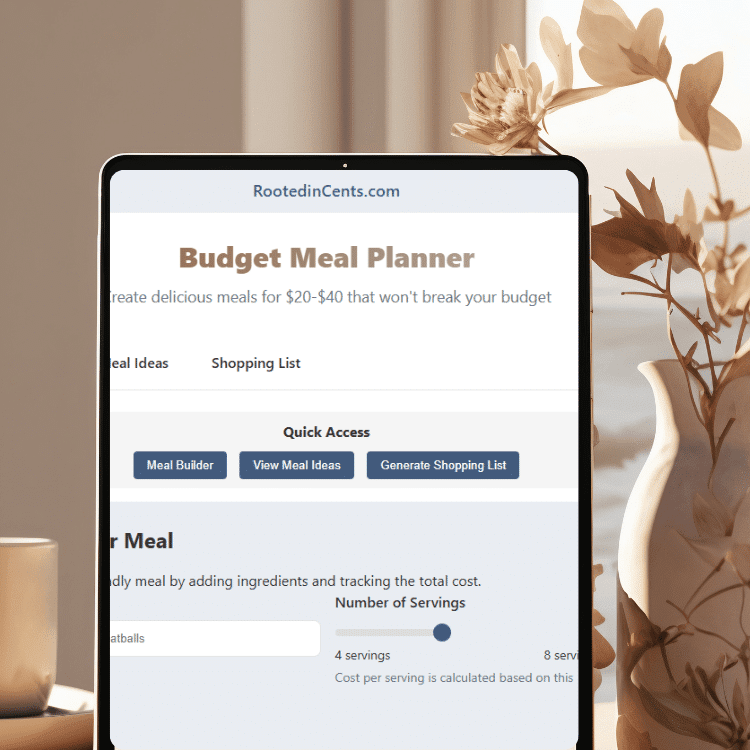
Bring the techniques in this post to the table, without overspending? Our interactive Budget Meal Planner helps you create gourmet meals for less with features like per-serving cost breakdowns, ingredient price tracking, and automatic shopping list generation. You can sort meals by cuisine (like keto, vegetarian, or ethnic dishes), set your budget, and even compare costs with restaurant alternatives. With over 140 customizable recipes and smart planning tools, eating well at home has never been easier, or more affordable.
Essential Tools for Gourmet Cooking
| TOOL | DESCRIPTION | COST |
| Immersion Blender | Perfect emulsifications | $25 |
| Digital Scale | Precision baking | $15 |
| Instant Thermometer | Perfect proteins | $20 |
| Microplane Grater | Fresh citrus zest | $12 |
Cookware Priorities
Cast iron skillet: Even heat distribution, perfect searing, oven-safe
Stainless steel saucepan: Deglazing, acid-safe, even heating
Dutch oven: Braising, bread baking, one-pot meals
Sheet pans: Half-sheet restaurant pans for even roasting
Knife Skills Investment
One great knife: Better than five mediocre ones
Proper maintenance: Regular honing, professional sharpening
Technique over tools: Master basic cuts before buying specialty knives
Presentation & Plating Excellence
Plating Principles
Chef Secret: The Clock Method
Professional plating follows consistent patterns:
- Protein at 6 o’clock: Anchor point of the plate
- Starch at 3 o’clock: Supporting element
- Vegetables at 9 o’clock: Color and texture contrast
- Sauce at center: Pools under protein or artistic drizzle
- Garnish on top: Height and visual interest
Garnish That Matters
Functional garnishes only: Everything on the plate should be edible and contribute to flavor
Fresh herbs: Chop just before serving, use flowers when available
Citrus zest: Bright color and aromatic oils
Finishing salts: Texture and mineral complexity
Quality oils: Herb oils, truffle oil, aged balsamic for final drizzle
Dinnerware Strategy
White plates: Showcase food colors best
Proper size: 10-12 inch plates for main courses
Temperature matters: Warm plates for hot food, chilled for cold
Clean edges: Wipe plate edges before serving
Wine & Beverage Pairing
Wine Selection Strategies
Lesser-known regions: Portuguese, South African, Eastern European wines offer exceptional value
Vintage timing: Buy good vintages 3-5 years after release for developed flavors
Local wine shops: Build relationships for recommendations and case discounts
Food pairing basics: Match weight and intensity, complement or contrast flavors
Spirit & Cocktail Excellence
Quality base spirits: Better to have fewer, higher-quality bottles
Fresh ingredients: Hand-squeezed citrus, muddled herbs, house-made syrups
Proper glassware: Temperature and aroma enhancement
Ice quality: Large cubes or spheres for slower dilution
Coffee & Tea Service
Bean quality: Single-origin, recently roasted beans
Grind timing: Grind just before brewing for maximum flavor
Water quality: Filtered water makes a dramatic difference
Serving ritual: Proper cups, temperature, timing creates experience
Menu Planning & Timing
Mise en Place Mastery
- Everything in its place: Prep all ingredients before starting to cook
- Timeline backwards: Start with longest-cooking items, finish with quick preparations
- Batch similar tasks: Do all chopping at once, all seasoning at once
- Clean as you go: Maintain an organized, efficient workspace
Multi-Course Timing
Chef Secret: Working Backwards
Professional timing for flawless service:
- Dessert first: Prepare completely, chill or hold
- Appetizers second: Components prepped, final assembly before serving
- Main course timing: Calculate backwards from desired serving time
- Buffer time: Always add 15-20% more time than calculated
Service Excellence
Temperature coordination: Everything served at optimal temperature
Final touches: Last-minute garnishes, sauce drizzles, herb oils
Confidence in presentation: Practice plating beforehand
Guest experience: Explain dishes, wine pairings, preparation methods
Final Thoughts:
Creating gourmet meals at home isn’t about expensive ingredients or professional equipment; it’s about understanding technique, sourcing smartly, and paying attention to details that matter. Start by mastering fundamental techniques and gradually build your ingredient sourcing network and presentation skills.
The most important element is consistency and practice. Each technique you master becomes a tool you can use across dozens of dishes. Focus on understanding why techniques work, not just following recipes, and you’ll develop the confidence to create your own gourmet experiences.
Remember that the best restaurants focus on perfecting a few techniques and applying them consistently. Master five professional techniques thoroughly rather than attempting to learn twenty mediocrely, and your home cooking will rival the finest restaurants at a fraction of the cost.
Pingback: Cool Things to Buy When You Have Extra Money: 31 Little Treats - Spend Less and Live More