The $2,400 Question: Are Meal Kits Worth It?
Here’s what happened to Sarah: Lured by HelloFresh’s $60 promotional deal, she signed up for convenience. Six months later, she’d spent $2,400 on meal kits that cost 3-4x more than grocery shopping. The “convenience” became a budget-crushing habit she couldn’t afford.
Does this sound familiar? Meal kit companies spend millions on ads promising convenience and variety, but they rarely mention the real cost of that convenience or who actually benefits from these services.
In this comprehensive analysis, you will learn:
- ✓ Real cost comparison of 12+ major meal delivery services vs. home cooking
- ✓ Who actually benefits from meal kits (and who should avoid them completely)
- ✓ Hidden costs and subscription traps that inflate your food budget
- ✓ Better alternatives that provide convenience without the premium pricing
- ✓ How to calculate if meal kits make financial sense for your specific situation
Meal delivery services have exploded in popularity, promising convenience, variety, and foolproof cooking.
But after the promotional pricing ends and reality sets in, are meal kits worth it, or are these services actually
worth their premium cost? We’ve analyzed 12 major services to give you the complete picture.
The information provided, including details obtained from
Website research is current as of July 31, 2025.
For each meal kit, we’ll evaluate:
- Cost per serving
- Delivery frequency & flexibility
- Meal variety & dietary options
- Time to prep
- Grocery waste (excess packaging, ingredients)
- Real-life practicality (families, one-income homes)
- Long-term sustainability
- Overall value for the money
Side-by-Side Comparison Table
| Meal Kit | Avg. Cost/Serv | Min. Meals/Wk | Dietary Options | Time to Cook | Family Friendly? | Waste | Overall Value |
|---|---|---|---|---|---|---|---|
| Blue Apron | $11.99 | 2 meals | Veg, WW, Diabetic | 30–40 min | Somewhat | High | 🌕🌕 |
| HelloFresh | $9.99 | 2 meals | Many | 30 min | Yes | High | 🌕🌕🌕 |
| EveryPlate | $4.99 | 3+ meals | Limited | 30 min | Yes | Low | 🌕🌕🌕🌕 |
| Home Chef | $9.95–13 | 2–3 meals | Custom-izable | 25–40 min | Yes | Moderate | 🌕🌕🌕 |
| Green Chef | $12.99+ | 3 meals | Organic, keto | 30–45 min | No (smaller meals) | High | 🌕🌕 |
| Sunbasket | $13.99+ | 2–4 meals | Organic + paleo | 30–40 min | No | High | 🌕 |
| Dinnerly | $4.99 | 3 meals | Basic options | 20–30 min | Yes | Low | 🌕🌕🌕🌕 |
| Factor | $15 | 6 | Keto, Low-Calorie | No cook | Maybe | Very High | 🌕🌕 |
| Gobble | $13.99 | 12 | Limited | 15 min | Yes | High | 🌕🌕🌕 |
| Purple Carrot | $9.99-11.99 | 8 | 100% plant-based | 25-45 min | Yes | Moderate | 🌕🌕🌕🌕 |
| Mosaic Foods | $9.99 | 12 | 100% plant-based/Vegan Options | 4 min/frozen | Yes | Low | 🌕🌕🌕🌕🌗 |
| Veestro | $13.90 | 6-12 | 100% plant-based/vegan options | 5 min/frozen | Single-serving focus/kid meals | Low | 🌕🌕🌕🌗 |
Hidden Costs & Reality Checks
Promotional Pricing Trap
The hook: First box for $19.99 (normally $89.99)
The reality: Full pricing kicks in after 1-2 weeks, often without clear warning
Average price jump: 200-300% increase after promotional period ends
Delivery & Service Fees
Shipping costs: $7.99-$11.99 per box (often “free” with minimum orders)
Service fees: Some services add 3-5% processing fees
Tip expectations: Additional pressure for delivery driver tips
Food Waste Reality
Portion sizes: Often smaller than expected, leading to additional grocery purchases
Ingredient waste: Recipes require full ingredients but use small amounts
Packaging waste: Excessive packaging that needs disposal
Time Investment Truth
Prep time claims: “30-minute meals” often take 45-60 minutes for beginners
Learning curve: The First few meals take significantly longer
Cleanup time: Same dishes to wash as regular cooking
Subscription Challenges
Cancellation difficulty: Complex cancellation processes and retention tactics
Pause limitations: Limited ability to pause without fees
Schedule inflexibility: Difficult to adjust delivery timing
The Real Cost Analysis
| Service | Cost Per Serving | Monthly Cost (32 meals) | Annual Cost | vs. Home Cooking |
| EveryPlate | $7.99 | $255.68 | $3,068 | +167% vs $4/serving |
| Blue Apron | $9.99 | $319.68 | $3,836 | +250% vs $4/serving |
| Home Chef | $10.99 | $351.68 | $4,220 | +275% vs $4/serving |
| HelloFresh | $11.99 | $383.68 | $4,604 | +300% vs $4/serving |
| Purple Carrot | $12.99 | $415.68 | $4,988 | +325% vs $4/serving |
| Gobble | $13.99 | $447.68 | $5,372 | +350% vs $4/serving |
| Factor | $15.00 | $480.00 | $5,760 | +375% vs $4/serving |
| Sunbasket | $16.99 | $543.68 | $6,524 | +425% vs $4/serving |
Who Actually Benefits from Meal Boxes?
Good Fit If You:
- Have disposable income and value convenience over cost
- Are learning to cook and want guided instruction
- Live in food deserts with limited grocery options
- Work extremely long hours with no meal planning time
- Want to try new cuisines without buying full ingredients
- Have specific dietary needs met by specialty services
- Are single/couple with no meal planning skills
Poor Fit If You:
- Are budget-conscious or price-sensitive
- Already know how to cook and meal plan
- Have a large family (costs become prohibitive)
- Prefer flexible meal timing and leftovers
- Live near good grocery stores
- Have dietary restrictions not well-served
- Want to build long-term cooking skills
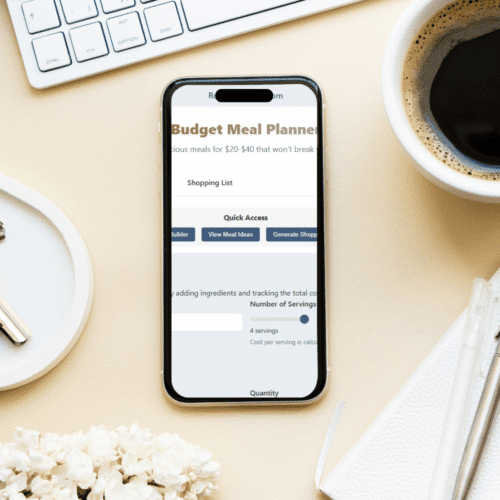
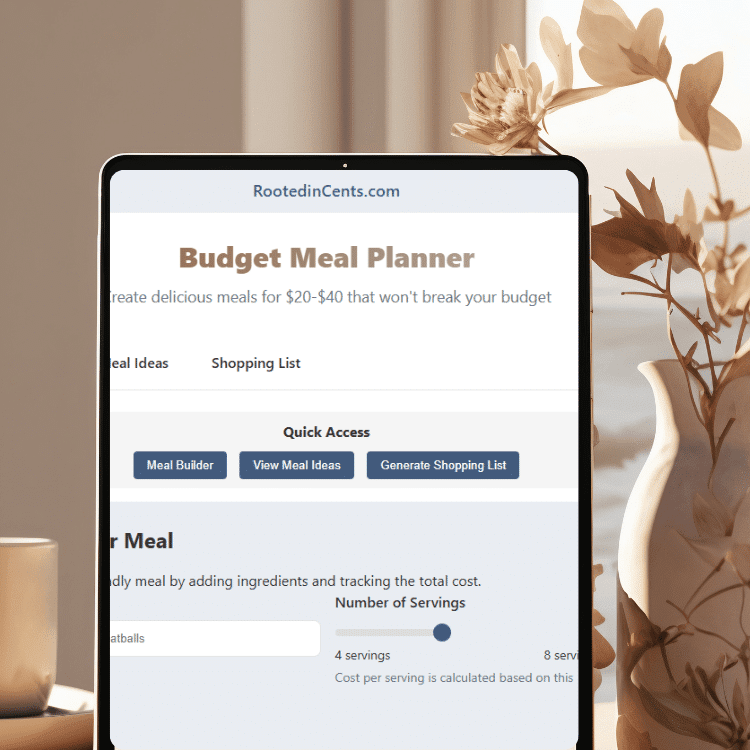
A Better Way: Budget Meal Planner
Ready to save big on groceries, while still enjoying delicious,
stress-free meals your family will love?
Introducing the Budget Meal Planner: your go-to tool for eating well and spending less.
With just a few clicks the Budget Meal Planner lets you:
- Handpick meals that everyone at your table actually looks forward to
- your spending in real time and keep every meal between $20–$40
- Instantly generate a smart, consolidated shopping list, no more forgotten ingredients
- Discover new recipes filtered by diet, cuisine, or budget
- Effortlessly share your meal plan with a friend or accountability partner for extra motivation
Smart Alternatives That Actually Save Money
DIY Meal Kit Strategy
Cost savings: 60-70% less than commercial meal kits
How it works:
- Follow meal kit recipes available online for free
- Create weekly shopping lists based on chosen recipes
- Buy ingredients in normal quantities (not tiny portions)
- Prep ingredients on weekends for weeknight assembly
- Build recipe rotation for repeated cost savings
Skill Building Investment
Cooking classes: One-time cost vs ongoing subscription fees
Cookbook investment: $15-30 books provide hundreds of recipes
YouTube tutorials: Free, high-quality cooking instruction
Long-term benefit: Skills last lifetime vs temporary convenience
Making the Decision:
Financial Calculation
Break-even analysis: Compare annual meal kit cost to increased grocery budget + time value
Example: If your time is worth $25/hour and meal kits save 3 hours/week, that’s $3,900 annual value
Reality check: Most people overestimate time savings and underestimate learning curve
Who can benefit:
- New parents with zero meal planning capacity
- Recent graduates learning to cook
- Couples with vastly different food preferences
- People recovering from illness needing structured nutrition
Trial Run:
- Try promotional offers from 2-3 services
- Track actual time spent and cost per meal
- Calculate food waste and additional grocery needs
- Assess your actual enjoyment and learning
- Compare to your regular cooking efficiency after trial
Bottom Line Reality
Meal boxes are a premium convenience service, not a budget solution. They can be worth it for specific situations, but shouldn’t be considered money-saving alternatives to grocery shopping.
Meal delivery services solve real problems for busy people, but they do so at a significant premium. The key is to decide whether that premium aligns with your budget, lifestyle, and long-term goals.
For most families, developing basic meal planning and cooking skills provides better long-term value than ongoing subscription services. However, meal boxes can give genuine value despite their higher cost for specific life circumstances, learning to cook, extreme time constraints, or dietary challenges.
Ultimately, it all boils down to what you value most: are you paying for convenience, education, or genuine necessity? Be honest about which category applies to your situation.