Thoughtful Planning: What to buy before Severe Inflation
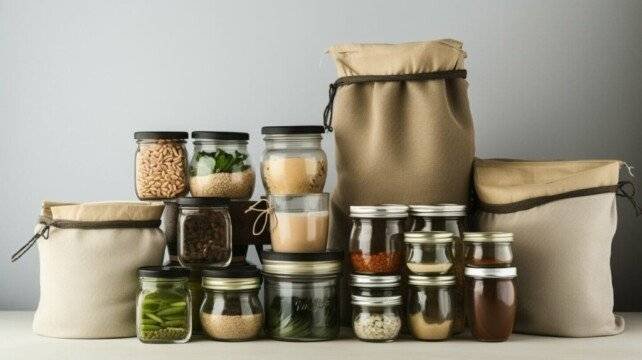
With economic shifts constantly on the horizon, it’s crucial to safeguard against rising prices as much as possible. One of the most effective ways to do this is by stockpiling essential items before severe inflation hits. By preparing in advance, you can secure your future and minimize the impact of economic volatility.
But what items should you stock up on? In this section, we’ll explore the key items you should consider adding to your list.
- To protect yourself from severe inflation, it’s essential to stock up on items before prices rise.
- By being proactive and preparing in advance, you can minimize the impact of economic shifts on your daily life.
- Consider stockpiling essential food items, non-perishable goods, medical and personal care items, and tools and equipment for self-sustainability.
- Financial strategies like diversifying your investments and creating an emergency fund can also provide additional protection.
- Smart shopping and saving strategies like purchasing in advance and making informed choices can help you stretch your budget and maximize your resources.
Understanding Severe Inflation and Its Effects on the Economy
Inflation is a natural part of any economy, but severe inflation can have devastating consequences for both individuals and the economy as a whole. Severe inflation is characterized by rapidly rising prices for goods and services, which can lead to a decrease in purchasing power, a reduced standard of living, and even a loss of confidence in the currency.
When inflation reaches this level, it’s important to have an inflation survival kit or a plan in place to protect your finances. This could include having a stockpile of essential items, diversifying your investments, and practicing smart budgeting techniques.
Inflation can also have widespread effects on the economy, such as decreased spending, increased unemployment rates, and decreased economic growth. Economic instability can also lead to a recession or economic downturn, making it crucial to be prepared for the worst.
“Inflation is as violent as a mugger, as frightening as an armed robber, and as deadly as a hitman.” Ronald Reagan
Preparing for economic downturns and severe inflation isn’t just about protecting your finances; it’s also vital for ensuring your overall security and well-being. By understanding the potential effects of severe inflation on the economy and taking proactive steps to prepare, you can safeguard yourself and your loved ones from the negative consequences of economic uncertainty.

Essential Food Items to Stock Up On
When preparing for severe inflation, it’s important to stockpile essential food items that are budget-friendly, have a long shelf life, and can sustain you during an emergency. These will serve as your stockpiling necessities and emergency supplies.
Start by building a stockpile of pantry staples such as rice, beans, pasta, canned fruits and vegetables, and condiments like salt, sugar, and cooking oil. These items are inexpensive, have a long shelf life, and can be used to create various meals. Don’t forget to include a manual can opener in your kit.
In addition to these staples, it’s important to stock up on high-protein foods such as canned meat, tuna, and peanut butter that can be added to meals for additional nutrition. Nuts, dried fruits, and trail mixes are also good options that provide essential nutrients and energy.
When selecting items to stockpile, consider any dietary restrictions or allergies that you or your family members may have. Ensure that you have enough food to last at least a week, if not longer, and rotate your stockpile regularly to keep items from expiring.
Stockpiling essential food items is an important step in preparing for inflation. These items are your stockpiling necessities and emergency supplies, so be sure to budget for inflation and include them in your survival kit.
Grocery costs climb fast during inflation, but you can still get ahead. Try our Grocery Savings Calculator to see exactly how much you could save each week just by tweaking your shopping habits.
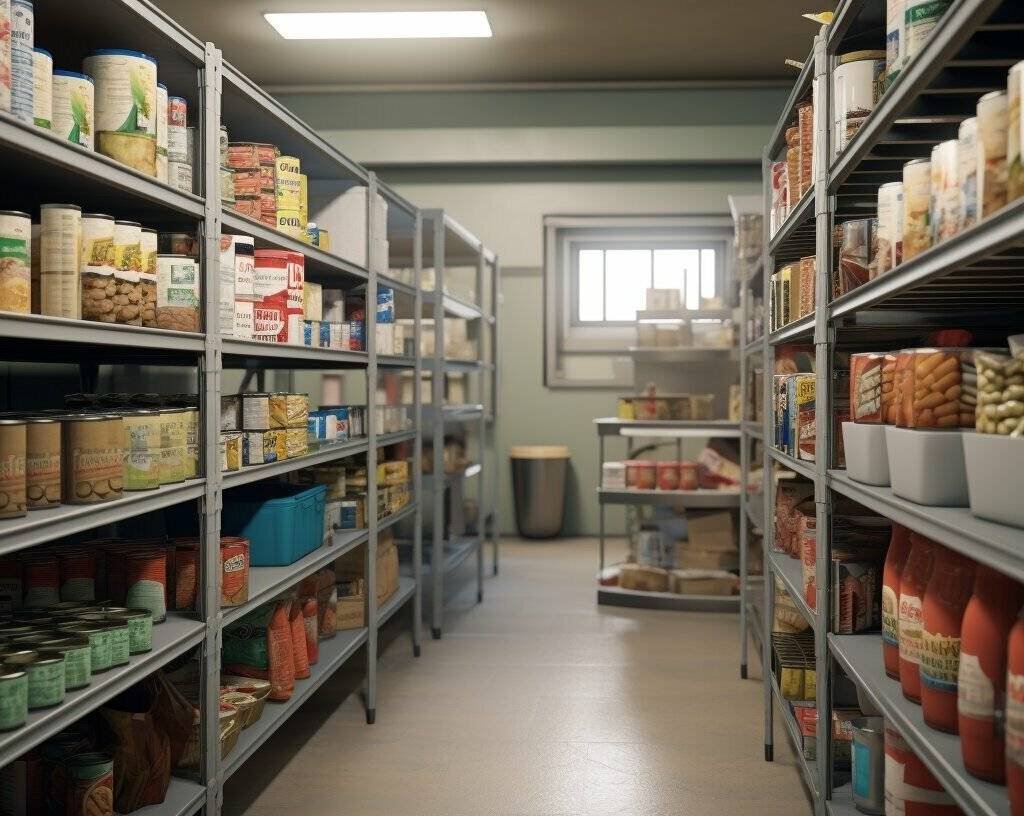
When preparing for inflation, stocking up on non-perishable goods with a longer shelf life is essential. These items can be stored for an extended period and provide crucial supplies during inflationary periods. When selecting non-perishable goods, consider versatile items that can be used in multiple ways.
Some non-perishable goods to consider include:
| Item | Use |
|---|---|
| Canned goods | It can be eaten straight from the can or used as a base for meals |
| Pasta and rice | It can be used as a side dish or as a base for a meal |
| Dried beans and lentils | A protein source that can be added to soups, stews, or served as a side dish |
| Flour | Can be used to make bread, pasta, or other baked goods |
| Powdered milk | Used as a milk substitute or added to recipes that require milk |
When storing non-perishable goods, it’s important to keep track of expiration dates and rotate items regularly. This ensures that you are using the oldest items first and helps to prevent waste.
By stockpiling non-perishable goods, you can safeguard against rising prices and ensure that you have essential supplies during inflationary periods. Make sure to budget for these items when preparing for inflation and consider buying in bulk to save money in the long run.
Medical and Personal Care Items to Stock Up On
When preparing for severe inflation, it’s essential to prioritize your health and well-being. Stockpiling medical and personal care items can help ensure you have the necessary supplies and medications when needed. Here are some items to consider when building your emergency supplies:
- Prescription medications: Ensure that you have a sufficient supply of any prescription medications you take regularly. Talk to your doctor about obtaining a 90-day supply instead of the usual 30-day supply.
- First-aid kit: A well-stocked first-aid kit can come in handy in emergencies. Include items like bandages, antiseptic solution, sterile gauze, medical tape, scissors, and tweezers.
- Hygiene products: Stockpile hygiene products such as soap, shampoo, toothbrushes, toothpaste, and feminine hygiene products to last for several months or longer.
- Face masks: As we learned in 2020, it’s wise to have a supply of face masks on hand for protection during a viral outbreak.
- Over-the-counter medications: Pain relievers, antihistamines, cough and cold medications, and stomach remedies are helpful to have in your medicine cabinet in case of illness.
Including these medical and personal care items in your inflation survival kit can safeguard your health and ensure you are prepared for any emergency. Don’t forget to regularly check expiration dates and rotate items as necessary to ensure that your supplies are always up-to-date.

Investing in the right tools and equipment can go a long way toward safeguarding against rising prices and preparing for economic downturns. In times of severe inflation, it’s essential to have the resources and knowledge to be self-sufficient and reduce your dependence on the market.
Start by building a basic toolkit that includes gardening tools such as shovels, rakes, and hoes. These items can help you grow your food and reduce your grocery bills. Additionally, consider investing in a water filtration system to ensure you have access to clean drinking water, even in emergencies.
Another crucial item for self-sufficiency is a generator. By having a backup power source, you can continue to run essential appliances like refrigerators or heaters even during power outages. This will save you money on food spoilage and other expenses.
| Tools and Equipment | Benefits |
|---|---|
| Gardening tools | Grow your food and reduce grocery bills |
| Water filtration system | Access to clean drinking water |
| Generator | Backup power source for essential appliances |
Finally, consider taking classes or workshops on self-sustainability and homesteading. These courses can teach you valuable skills like canning food, preserving meat, and making soap. By learning these skills, you can reduce your reliance on the market and become more self-sufficient.
With the right tools and resources, you can thrive during times of inflation and economic uncertainty. By investing in self-sustainability, you’ll be well-equipped to weather any storm that comes your way.
Financial Strategies for Inflation Protection
As inflation can have a significant impact on personal finances, it is crucial to have a solid financial plan in place to protect yourself. Here are some budgeting tips and financial strategies to consider when preparing for inflation:
Create an Emergency Fund
One of the most critical steps you can take to protect yourself from inflation is to have an emergency fund. An emergency fund is an amount of money set aside to cover unexpected expenses, such as a job loss or medical emergency. Experts recommend having at least three to six months’ worth of living expenses in your emergency fund.
Diversify Your Investments
Diversification is the key to protecting your investments from inflation. Consider investing in a mix of assets, such as stocks, bonds, and real estate. This will help you spread out your risk and hedge against inflation’s potential impact on any one investment.
Consider Inflation-Protected Securities
Inflation-protected securities, such as Treasury Inflation-Protected Securities (TIPS), are specifically designed to protect against inflation. These securities provide a guaranteed rate of return that keeps pace with inflation, providing a valuable hedge against rising prices.
Budget for Inflation
When creating a budget, it’s essential to consider the impact of inflation on your expenses. Allocate funds for potential price increases for essential items like food, utilities, and transportation. This will help you stay ahead of inflation’s impact on your budget and avoid any surprises down the road.
Explore an Inflation Survival Kit
You can also consider creating an inflation survival kit, which includes items like food, water, and other essential supplies to help you weather an economic downturn. This kit can help you be prepared for unexpected events and safeguard against the effects of inflation on your household.
By implementing these financial strategies and budgeting for inflation, you can protect yourself from the impact of rising prices and secure your financial future.
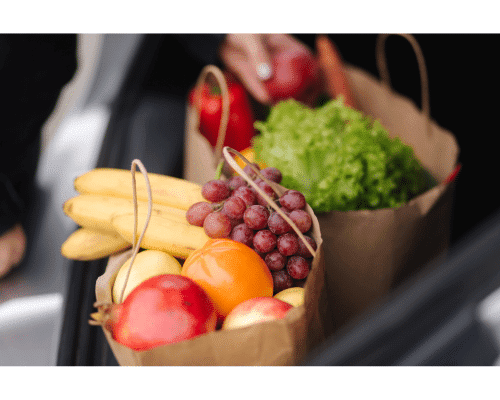
Preparing for inflation requires smart shopping and saving strategies to make the most of your resources. Here are some practical tips to help you keep your finances in check:
- Purchase in advance: Buy essential items in advance, especially when you find them on sale. This will help you avoid buying them at higher prices later on.
- Compare prices: Take the time to compare prices to find the best deals. Consider shopping at discount stores and buying generic brands to save money.
- Make informed choices: Do your research before making purchases. Check product reviews and ratings to ensure you’re getting the best value for your money.
By incorporating these strategies into your shopping habits, you can save money and stretch your budget further.
By being proactive and stockpiling essential items, you can safeguard yourself against the effects of severe inflation.
Remember to prioritize the items that are most important to your survival and well-being, such as food, personal care items, and medical supplies. Don’t forget to also consider tools and equipment for self-sustainability, which can reduce your reliance on the market and provide long-term inflation protection.
By following these tips and creating a well-rounded inflation survival kit, you can prepare for inflationary periods and safeguard your financial future.
Conclusion
Preparing for severe inflation isn’t about panic; it’s about planning. By stockpiling essentials like food staples, non-perishables, medical supplies, and tools for self-sustainability, you can shield your family from rising prices. Pair that with innovative financial strategies, such as diversifying your investments, building an emergency fund, and shopping with intention, and you’ll have a strong buffer against economic uncertainty.
One of the biggest areas where inflation hits hardest is the grocery store. That’s why now is the time to take control of your food budget.
Use our Grocery Savings Calculator to see how much you could save on your weekly food costs.
This tool breaks down your habits, shows you where small changes make a big difference, and helps you stretch your grocery dollars further, even when prices rise.
By planning ahead and putting these strategies into practice, you’ll be better equipped to safeguard your financial future and navigate inflation with confidence
FAQ
Q: What is severe inflation?
Severe inflation is when prices rise rapidly across the economy, reducing purchasing power and making everyday goods more expensive. It can also impact savings, investments, and overall financial stability.
Q: What food should I stockpile before inflation?
Focus on pantry staples like rice, beans, canned goods, pasta, and cooking oil. Choose non-perishable items with long shelf lives and rotate them regularly to prevent waste.
Q: What non-perishable goods are best for long-term storage?
Good options include dried beans, lentils, powdered milk, flour, canned meats, and freeze-dried foods. These versatile items store well and provide essential nutrients in emergencies.
Q: What medical and personal care items should I have on hand?
Stock up on prescription medications, first-aid supplies, hygiene products, and over-the-counter medicine. These essentials ensure your health and well-being during uncertain times.
Q: Why are tools and equipment important during inflation?
Items like gardening tools, water filters, and generators help reduce reliance on the market and improve self-sufficiency. These resources can cut costs and provide stability when prices rise.
Q: What financial strategies protect against inflation?
Build an emergency fund, diversify investments, and consider assets that hold value during inflation such as real estate or commodities. Budgeting for rising costs can also help you stay prepared.