
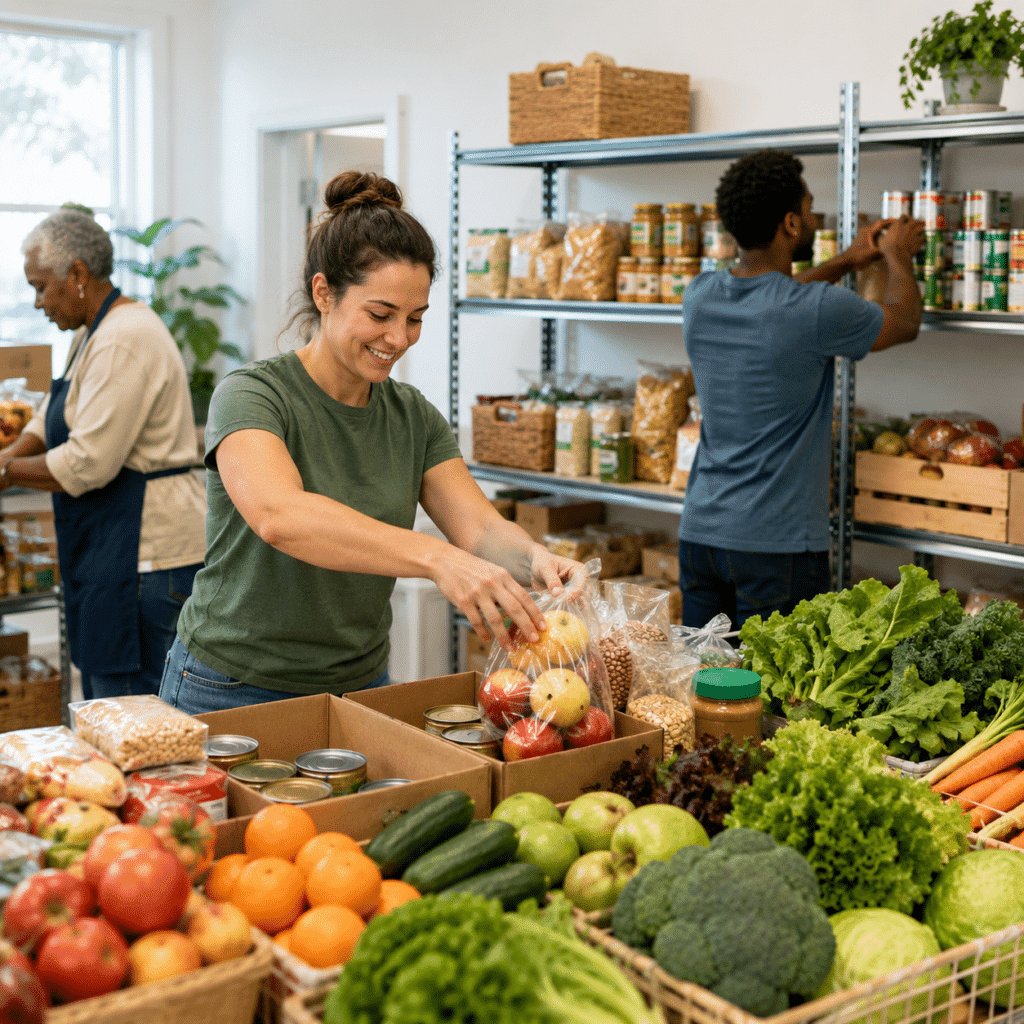
This is a complete emergency resource guide with 25+ proven methods for accessing food assistance when facing a financial crisis. It offers immediate help and long-term solutions.
Food insecurity affects millions of people, and finding yourself without money for food can happen to anyone during unexpected circumstances like job loss, medical emergencies, or economic hardship. This guide provides immediate solutions and long-term strategies to access nutritious food when finances are tight.
IMMEDIATE EMERGENCY RESOURCES: Call 211.
This free, confidential helpline is available 24/7 and connects you to
local food assistance, emergency aid, and crisis support in your area.
Dial 2-1-1 or text ZIP code to 898-211
Dial 2-1-1 or text ZIP code to 898-211
Immediate Food Assistance (Today/This Week)
Emergency Food Programs
| SERVICE NAME | COST | FOOD SUPPLY | REQ’D DOCUMENTATION |
| Food Banks & Pantries | Free | 3-7 days | No ID required |
What you get: Groceries including canned goods, fresh produce, bread, dairy, and sometimes frozen items.
How to Access:
- 1 Search “food bank near me” or visit feedingamerica.org/find-your-local-foodbank
- 2 Call ahead to confirm hours and required documentation
- 3 Bring proof of address (utility bill, mail) and household size information
| SERVICE NAME | COST | FOOD SUPPLY | FREQUENCY |
| Soup Kitchens & Community Meals | Free | Hot Meals | Daily |
Common locations: Churches, community centers, Salvation Army, homeless shelters, Sikh temples
(free community kitchens).
- 1 Search “free meals near me” or use apps like “Food Rescue” and “Ampleharvest”
- 2 Contact local churches, many serve free community meals weekly
- 3 Check community bulletin boards and local Facebook groups
| SERVICE NAME | COST | TARGET GROUP | FREQUENCY |
| School & Community Programs | Free | Families | Weekly+ |
Options include: School backpack programs, summer meal sites, mobile food pantries, and senior meal programs.
Summer & Holiday Programs
Many schools offer free meals during summer break and holidays. Call your local school district to find nearby summer meal sites; children 18 and under eat free, no questions asked.
Government Assistance Programs
| SERVICE NAME | MONTHLY BENEFIT | PROCESSING TIME | QUALIFICATION |
| Supplemental Nutrition Assistance Program | $23-$939 | 7-30 days | Income-based |
Emergency SNAP: If you have less than $150/month income or $100 cash on hand, you may qualify for expedited benefits within 7 days.
Application Process:
- 1 Apply online at your state’s SNAP website or visit local DHHS office
- 2 Gather required documents: ID, Social Security cards, proof of income, housing costs
- 3 Complete phone or in-person interview within 30 days
- 4 Request expedited processing if you qualify for emergency assistance
| SERVICE NAME | ELGILBILITY | AGE LIMIT | INCLUDES |
| WIC Program | Pregnant/New Moms | Children Under 5 | Nutrition Education |
| TEFAP (Emergency Food Assistance) | Low-income | None | Monthly Distribution |
Provides: Specific nutritious foods, infant formula, breastfeeding support, nutrition education, and health referrals.
Access through: Local food banks, pantries, and soup kitchens that participate in federal commodity distribution programs.
Community & Religious Resources
Faith-Based Organizations
Churches & Religious Centers
Services offered: Food pantries, hot meals, emergency grocery assistance, holiday food boxes.
Accessing Help:
- 1 Contact churches of all denominations, most help regardless of religious affiliation
- 2 Ask about weekly food distributions and emergency assistance funds
- 3 Inquire about connections to other local resources and support networks
Mosques & Islamic Centers
Zakat programs: Islamic charitable giving supports food assistance, often year-round with increased help during Ramadan.
Sikh Temples (Gurdwaras)
Langar (free kitchen): Free vegetarian meals served to anyone, regardless of background, typically daily or weekly.
Online & App-Based Resources
Digital Food Assistance
| SERVICE NAME | COST | UPDATES | CONVENIENCE |
| Food Rescue Apps | Free Download | Real-time | GPS Located |
Popular apps: Too Good To Go, Flashfood, OLIO, Food For All, connect users with discounted or free food from restaurants and stores.
Online Communities
Platforms to try: Local Facebook groups, Nextdoor app, Reddit r/Random_Acts_Of_Pizza, Buy Nothing groups, community mutual aid networks.
Safety First
When connecting with strangers online, meet in public places, verify legitimacy of offers, and trust your instincts about situations that seem unsafe.
Food Finder Websites
National directories:
- FeedingAmerica.org: Find your local food bank with ZIP code search
- Ampleharvest.org: Connects home gardeners with food pantries
- WhyHunger.org: National hotline 1-866-3-HUNGRY for food assistance
- BenefitsCheckUp.org: Screen for federal and state benefit programs
- FreeRice.com: Educational game that donates rice for correct answers
Food Delivery Apps with Assistance
Emergency programs:
- DoorDash Project DASH: Free food delivery during disasters
- Uber Eats community relief: Free meals during emergencies
- Grubhub Community Kitchen: Partners with nonprofits for meal delivery
Self-Reliance Strategies
Finding Free & Low-Cost Food
Foraging & Wild Foods
Safe options: Dandelions, wild garlic, blackberries, acorns (processed properly), crabapples, wild onions.
Foraging Safety
Only harvest what you can 100% identify as safe. Use field guides, take classes, or consult experts. Never eat anything you’re unsure about – some plants are deadly.
Dumpster Diving (Where Legal)
Best locations: Grocery stores, bakeries, donut shops, college dining halls (end of semester).
Safety Guidelines:
- 1 Check local laws, some areas prohibit dumpster diving
- 2 Look for packaged, sealed foods only, avoid anything opened or perishable
- 3 Go during evening hours when fresh items are typically discarded
- 4 Respect property and clean up after yourself
Ask about: Markdown schedules for bakery items, produce clearance sections, manager’s special discounts
on near-expiration items, samples & Free Trials.
Legal options: Warehouse store samples, grocery store demos, food court samples, restaurant happy hour appetizers, coffee shop customer appreciation events.
Additional Community Resources
Specialized Organizations
Healthcare-Based Food Programs
Medical partnerships:
- Community Health Centers: Many offer food pantries and nutrition programs
- Hospital social services: Emergency food vouchers and referral programs
- Dialysis centers: Often provide meals during treatment sessions
- Cancer treatment centers: Nutrition support programs for patients
Educational Institution Resources
Campus and community programs:
- College food pantries: Open to students and often community members
- Community college culinary programs: Free meals from student-prepared food
- High school culinary classes: End-of-day leftovers sometimes available
- Adult education centers: May offer meals with programming
Government & Municipal Programs
Local government assistance:
- City social services: Emergency food vouchers and crisis assistance
- County health departments: Nutrition programs and food distribution
- Public libraries: Some host food pantries and community meal programs
- Recreation centers: Community meals and senior nutrition programs
Professional & Labor Organizations
Union and professional support:
- Labor unions: Emergency assistance funds for members and families
- Professional associations: Hardship funds and member assistance programs
- Trade organizations: Crisis support for industry workers
- Veterans organizations: VFW, American Legion meal programs and assistance
Work-for-Food Opportunities
Immediate Exchange Programs
Restaurant Side Work
Common opportunities: Help with closing duties, deep cleaning, prep work in exchange for meals or leftovers.
Approach Strategy:
- 1 Visit during slow periods and speak directly with managers
- 2 Offer specific skills: cleaning, organizing, basic maintenance
- 3 Be honest about your situation and need for immediate help
Long-Term Food Security
Building Sustainable Solutions
Growing Your Own Food
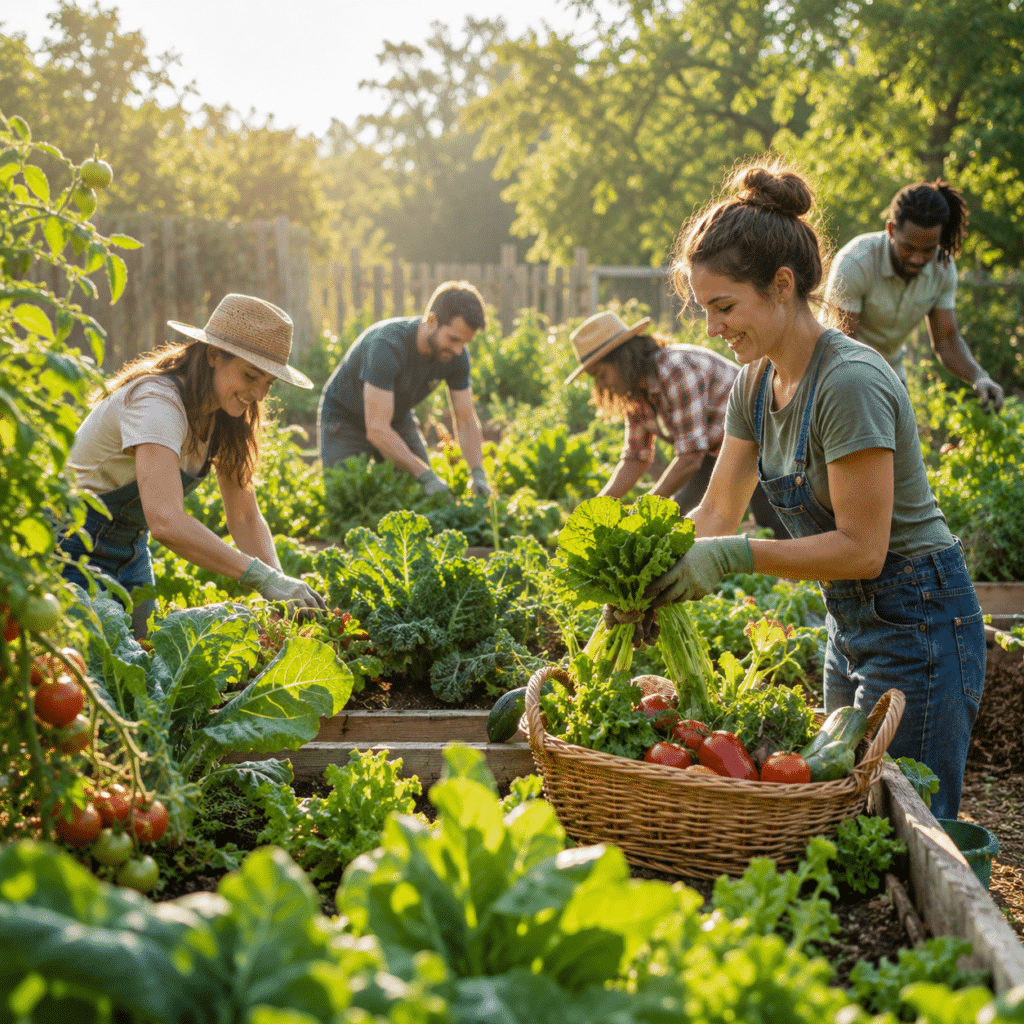
Low-cost options: Container gardening, sprouts, herbs on windowsills, community garden plots, guerrilla gardening.
Getting Started:
1 Start with fast-growing crops: lettuce, radishes, green onions, sprouts
2 Use free containers: milk jugs, yogurt containers, old buckets
3 Save seeds from vegetables you eat or get free seeds from libraries
Skill Development
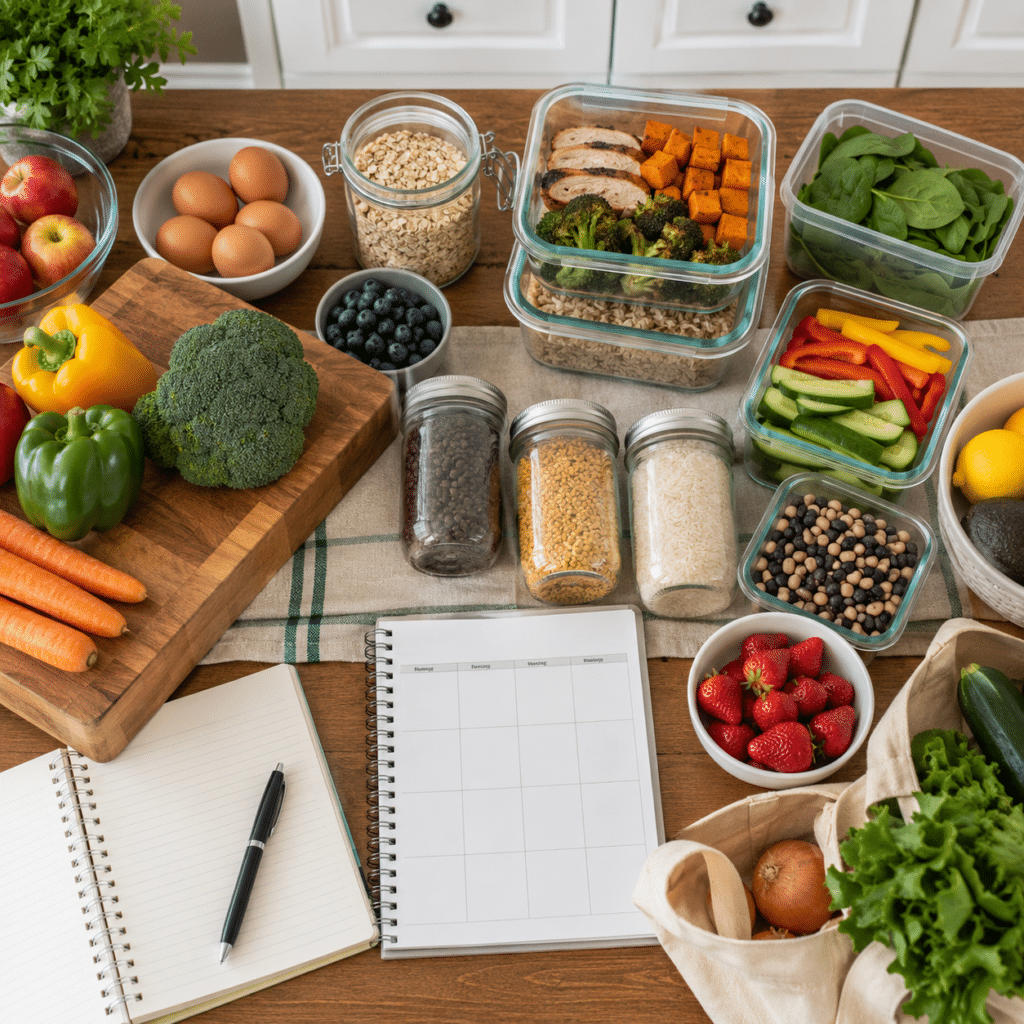
Learn food skills: Cooking from scratch, food preservation, budgeting, meal planning, nutrition basics.
Building Support Networks
Connect with: Local mutual aid groups, community organizations, neighbors, other families in similar situations.
Emergency Meal Ideas with Minimal Resources
- Rice and beans combo: Complete protein, filling, costs under $2 for multiple servings
- Oatmeal variations: Add free condiment packets, foraged berries, or saved fruit
- Potato-based meals: Baked potatoes with toppings from samples or free condiments
- Pasta with creative sauces: Free ketchup packets, olive oil samples, herbs from foraging
- Soup from scraps: Vegetable peelings, free broth samples, day-old bread
Start with the most accessible options in your area, and don’t hesitate to ask for help. Many organizations not only provide food but can also connect you to additional resources like job assistance, healthcare, housing support, and financial counseling to address the root causes of food insecurity.
Creating Your Action Plan
- Today: Call 211 and locate nearest food bank or soup kitchen
- This week: Apply for SNAP benefits and visit local food pantries
- This month: Connect with community resources and explore work-for-food opportunities
- Long-term: Build skills, networks, and sustainable food security strategies
In summary:
Food insecurity affects people from all backgrounds and circumstances. Whether you’re facing a temporary setback or longer-term challenges, these resources can provide immediate relief while you work toward stability. Remember that using these services is not a reflection of your worth; they exist because communities recognize that everyone deserves access to nutritious food.
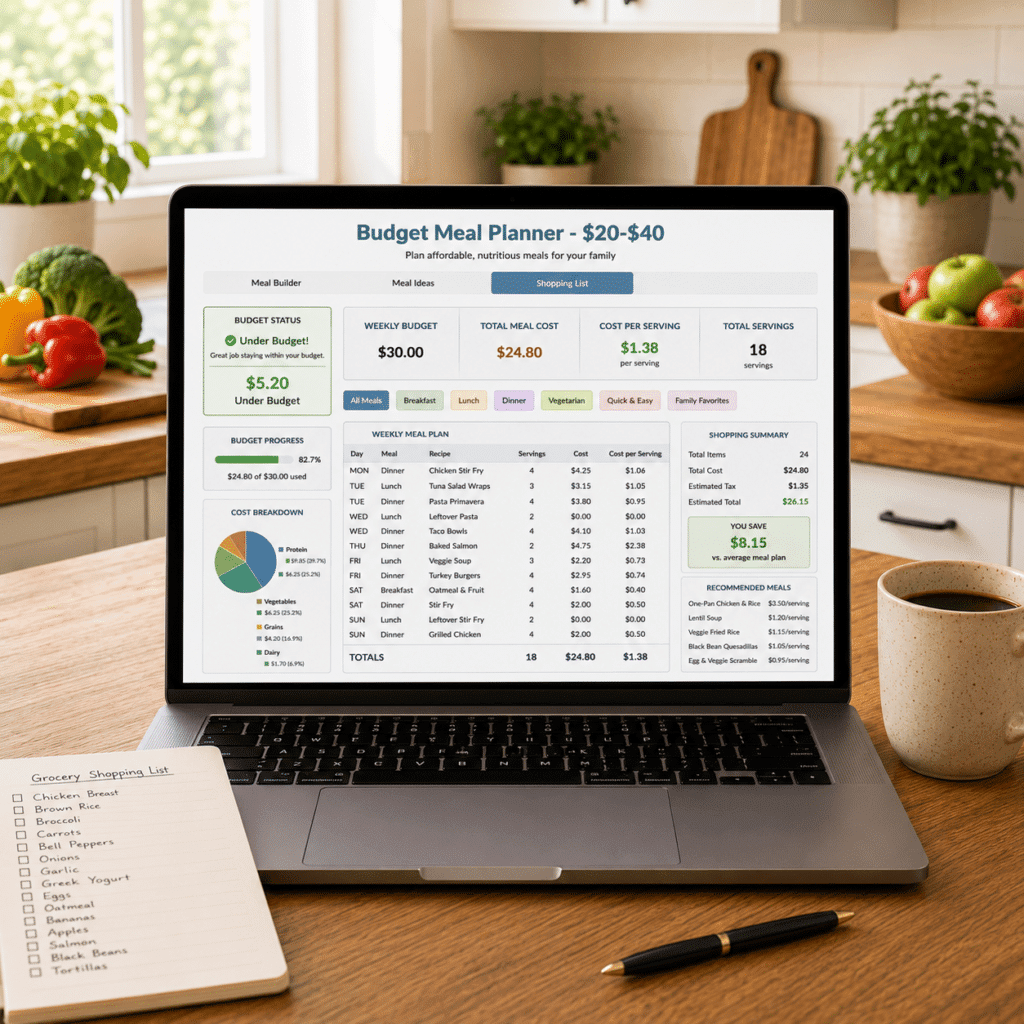
Pingback: Budget Meal Planning That Actually Saves You Money. - Spend Less and Live More