

Zero Waste = Zero Extra Cost? The Honest Truth
Here’s what the research shows:
Zero-waste living isn’t about expensive eco-products; it’s about strategic consumption changes that actually save money. Corporate case studies and real families prove it’s possible, but the key is gradual implementation and realistic expectations, not perfectionism.
In this honest zero-waste guide, you will learn:
- ✓ Real cost analysis showing initial investment versus long-term savings
- ✓ Corporate case studies proving zero-waste saves money at scale
- ✓ Gradual implementation strategy that prevents financial strain
- ✓ Common myths debunked with evidence-based alternatives
- ✓ Personal success stories with documented financial benefits
The zero-waste movement promises environmental benefits and cost savings, but skeptics argue that eco-friendly living requires significant upfront investment. After researching corporate case studies and interviewing families who’ve made the transition, the answer isn’t as simple as “yes” or “no.” It’s about strategy, timing, and realistic expectations.
The Myth
“Zero waste is an expensive luxury for wealthy people who can afford organic everything and fancy reusable containers.”
The Reality
“Zero waste is a gradual process that ultimately saves money through reduced consumption and strategic purchasing decisions.”
The Corporate Success Stories
Large-Scale Proof of Concept
Companies like Procter & Gamble and Nestlé have achieved near-zero waste status in multiple facilities, proving the concept works at scale. These corporations save millions annually through waste reduction strategies that individual households can adapt.
Key insight: Their success comes from systematic approaches, not expensive technology. The same principles apply to household waste reduction.
While corporate examples demonstrate feasibility, the real question for families is whether these strategies translate to household budgets. The answer depends heavily on implementation approach and timeline expectations.
The Real Cost Analysis
Initial Investment vs. Long-Term Savings
Most zero-waste transitions require modest upfront costs that pay for themselves within 6–18 months through reduced purchasing and waste disposal fees.
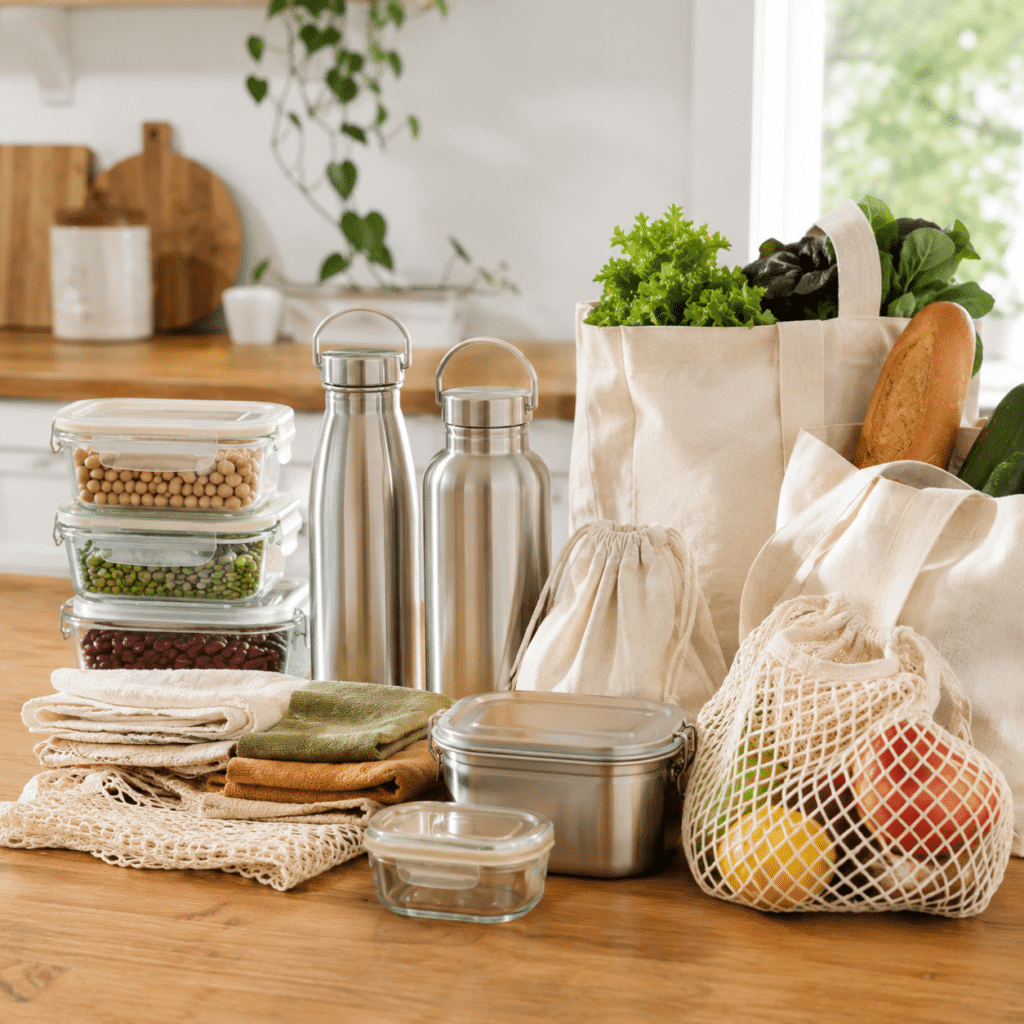
- $150–300 Initial Investment:
Reusable containers, water bottles, shopping bags - $2,400+ Annual Savings:
Reduced food waste, bulk buying, fewer disposables - 8:1 Return Ratio:
Every dollar invested saves $8 annually
The Gradual Implementation Strategy
Realistic Timeline for Sustainable Change
Months 1-2: Foundation Building ($50-75 investment)
Start with high-impact, low-cost changes: reusable shopping bags, water bottles, and basic food storage containers. Focus on eliminating single-use items you buy weekly.
Months 3-6: System Development ($75-125 investment)
Add bulk buying containers, expand food preservation skills, and establish a repair-first mindset for household items. Savings begin to offset initial costs.
Months 7-12: Advanced Integration ($50-100 investment)

Implement composting, expand DIY cleaning products, and optimize bulk purchasing strategies. Monthly savings exceed initial investment costs.
Year 2+: Maintenance Mode ($25-50 annual investment)
Replace worn reusable items and continue optimizing systems. Net positive cash flow of $150-300 monthly from waste reduction strategies.
Where Zero Waste Actually Saves Money
Food Waste Elimination
Average savings: $125 per month
Meal planning, proper storage, and creative leftover use can reduce food waste by 75%. Most families throw away around $1,500 worth of food annually.
Bulk Purchasing Power
Average savings: $85 per month
Buying staples in bulk reduces per-unit costs by 30–50%. The initial investment in containers pays for itself within 3–4 months.
Repair Culture Adoption
Average savings: $95 per month
Learning basic repair skills extends product life by 200–300%. Free online tutorials can replace many expensive service calls for household issues.
DIY Household Products
Average savings: $65 per month
Making your own cleaning products, personal care items, and simple foods costs 60–80% less than buying store-bought equivalents.
The Hidden Costs Nobody Talks About
Time Investment Reality Check
The biggest “cost” of zero waste isn’t money; it’s time. Meal planning, bulk shopping, DIY projects, and maintenance require 3-5 additional hours weekly during the first year.
The trade-off: This time investment typically saves families 2-3 hours of shopping and errands weekly once systems are established, plus the financial benefits justify the initial effort.
Common Expensive Mistakes to Avoid
Zero Waste Spending Traps
- Premium product obsession: Expensive “zero waste” branded items often have cheaper, equally effective alternatives
- All-at-once mentality: Trying to replace everything immediately creates unnecessary financial pressure
- Perfectionism paralysis: Waiting for the “perfect” sustainable option often means spending more than necessary
- Trend chasing: Following every new eco-product recommendation without evaluating actual need or cost-effectiveness
The Verdict: Strategic Implementation Works
Zero waste without extra cost is absolutely achievable, but it requires patience, strategic thinking, and realistic expectations. The key is treating it as a gradual lifestyle optimization rather than an expensive identity overhaul.
Success Factors for Cost-Effective Zero Waste
- Start with high-impact, low-cost changes that address your family’s biggest waste sources
- Focus on systems over products—behavior changes matter more than expensive gear
- Measure progress in months, not weeks to allow savings to compound and habits to solidify
- Prioritize versatile investments that serve multiple purposes rather than single-use “eco” products
- Learn skills alongside purchasing—repair, preservation, and DIY abilities provide ongoing value
The corporate examples from Procter & Gamble and Nestlé prove that zero waste works at scale when approached systematically. Individual households can achieve similar success by adapting these systematic approaches to smaller scales and longer implementation timelines.
The myth that sustainable living costs more money persists because people focus on premium products rather than fundamental behavior changes. The reality is that thoughtful consumption, strategic purchasing, and waste elimination create lasting financial benefits that far exceed initial investments.
Zero waste, zero extra cost isn’t just possible, it’s profitable. The question isn’t whether you can afford to live sustainably, but whether you can afford not to make these money-saving changes.
See How Much Zero-Waste Could Save Your Household
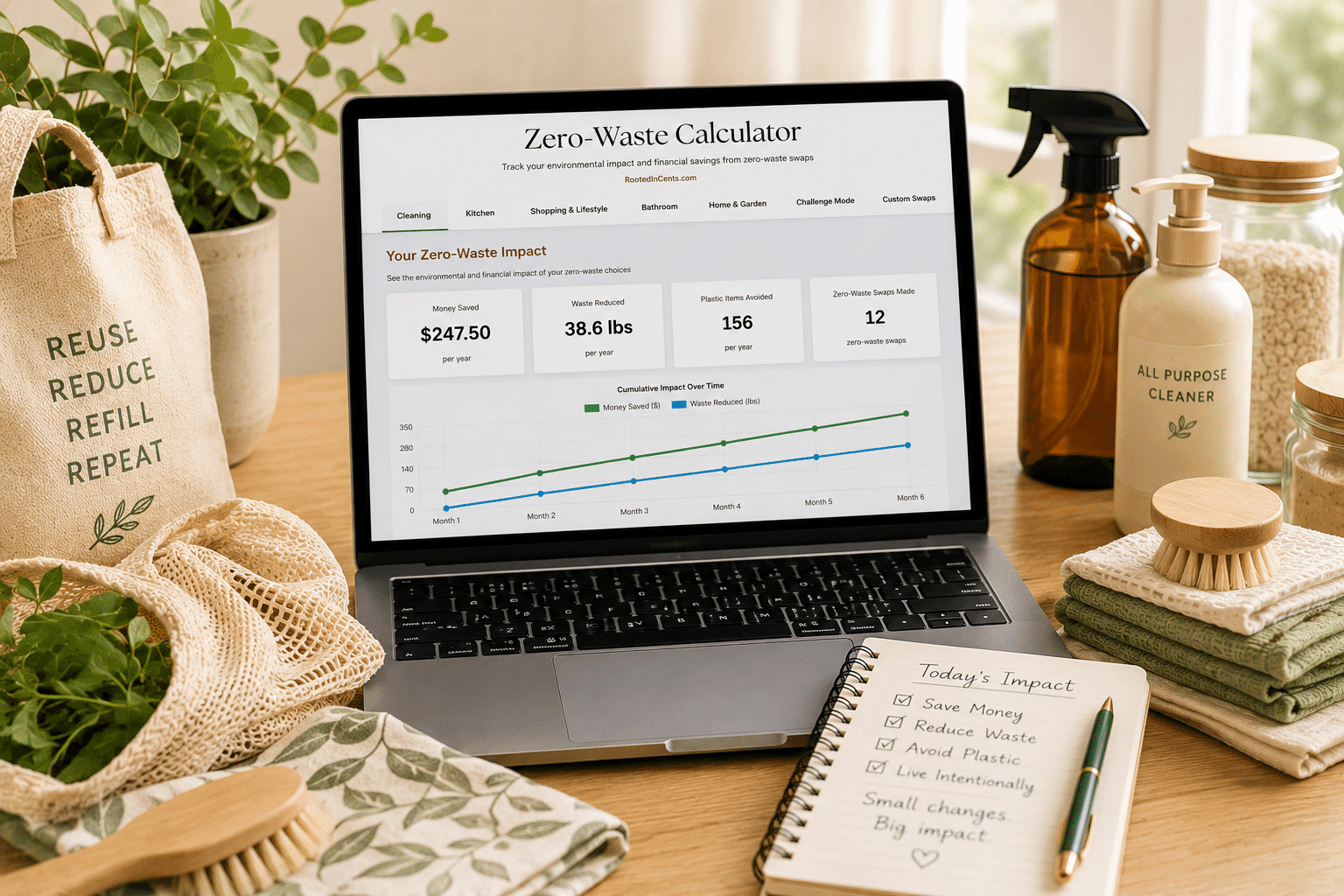
Take control of your household’s environmental impact and savings with my robust Zero-Waste Calculator! This powerful tool lets you track your waste reduction, carbon footprint, and resource conservation across multiple categories like cleaning, kitchen, shopping, bathroom, and more. Simply input your current spending on disposable products, select sustainable swaps you’re ready to try, and set your own timeline for making changes. The calculator then shows you exactly how much money you can save, how much waste you’ll reduce, and even how many trees you’ll help preserve each year. With personalized advice for every category, it’s never been easier to see the real-world benefits of zero-waste living for your wallet and the planet!
Frequently Asked Questions
- Is it possible to achieve zero waste without spending more money?
- Yes, it is possible to reduce waste without incurring extra costs. By adopting simple practices like reducing, reusing, and recycling, you can often save money in the long run.
- Do I need to buy expensive eco-friendly products to go zero waste?
- No, you don’t need to buy expensive eco-friendly products. You can start by using what you already have and gradually replace items with sustainable alternatives as needed.
- Is it more expensive to shop for zero waste groceries?
- Zero waste grocery shopping can be cost-effective. Buying in bulk, choosing seasonal produce, and avoiding single-use packaging can actually reduce your grocery bills.
- Are there any financial benefits to zero waste living?
- Yes, there are financial benefits. When you reduce waste, you often end up buying less, which can save you money. Additionally, reusing items can extend their lifespan, reducing the need for frequent replacements.
- Can I achieve zero waste without sacrificing convenience?
- Yes, you can minimize waste while maintaining convenience. Planning ahead, using reusable containers, and being mindful of your consumption can help you reduce waste without making life less convenient.
- Are there any government incentives or programs that support zero waste living?
- Some regions offer incentives like tax credits or rebates for eco-friendly practices. Additionally, many governments promote recycling and waste reduction through programs and regulations.
- Do zero waste lifestyles require expensive composting or recycling setups?
- Composting and recycling can be done inexpensively at home. You don’t need fancy equipment; basic compost bins and recycling containers are often sufficient.
- Can zero waste living lead to cost savings in the long term?
- Yes, zero waste living can lead to long-term cost savings. By reducing waste and making more sustainable choices, you can save money on groceries, utilities, and everyday expenses.
- Are there any industries or businesses that support zero waste practices at no extra cost?
- Many businesses are adopting zero waste practices and offering sustainable products and services. Supporting these businesses can align with your zero waste goals without breaking the bank.
- Is it realistic to expect zero waste in all aspects of life without extra costs?
- Achieving absolute zero waste in every aspect of life can be challenging, but making conscious choices to reduce waste in key areas like packaging, transportation, and energy consumption is realistic and cost-effective.