Introduction: How We Make Meals Work on One Income
Feeding a family of four on one income is no small feat, but it’s absolutely possible with the right systems. Over the years, I’ve learned how to plan meals, reduce grocery waste, and stay on budget without cooking every single day or resorting to takeout.
This guide shares real strategies I use in my own kitchen, along with the tools that make it easier. Whether you’re juggling different palates, trying to reduce food waste, or just tired of feeling like groceries are eating your budget, you’ll find something helpful here.
Common Myths About Budget Meals
Myth #1: Meal planning takes too much time
Truth: It actually saves time when done right, especially with smart tools.
Myth #2: Healthy eating is always expensive
Truth: Simple, real ingredients often cost less than processed ones.
Myth #3: Cheap meals are boring
Truth: With seasoning, leftovers, and smart prep, simple meals become satisfying.
Myth #4: You have to cook daily to save money
Truth: I cook just twice a week, and we eat well all week long.
Myth #5: Grocery delivery is a luxury
Truth: For us, it saves money on gas and impulse buys, and saves time I can’t get back.
My Real-Life Food Strategy (That Actually Works)
For years, dinners felt like a balancing act. One person was happy, the rest just picked around their plate. So, I changed how we cook. Everyone in my household has different preferences:
- My older son loves chili, lasagna, and spicy volcano chicken.
- My younger son prefers BBQ chicken and meatloaf.
- My husband enjoys thin spaghetti with meat and vegetables.
- I’m happy with buttery pasta packed with sautéed veggies.
We all enjoy Asian dishes. I prepare various versions of fried rice, sushi bowls, and ramen with different proteins.
We always have salads, green beans, and broccoli prepared.
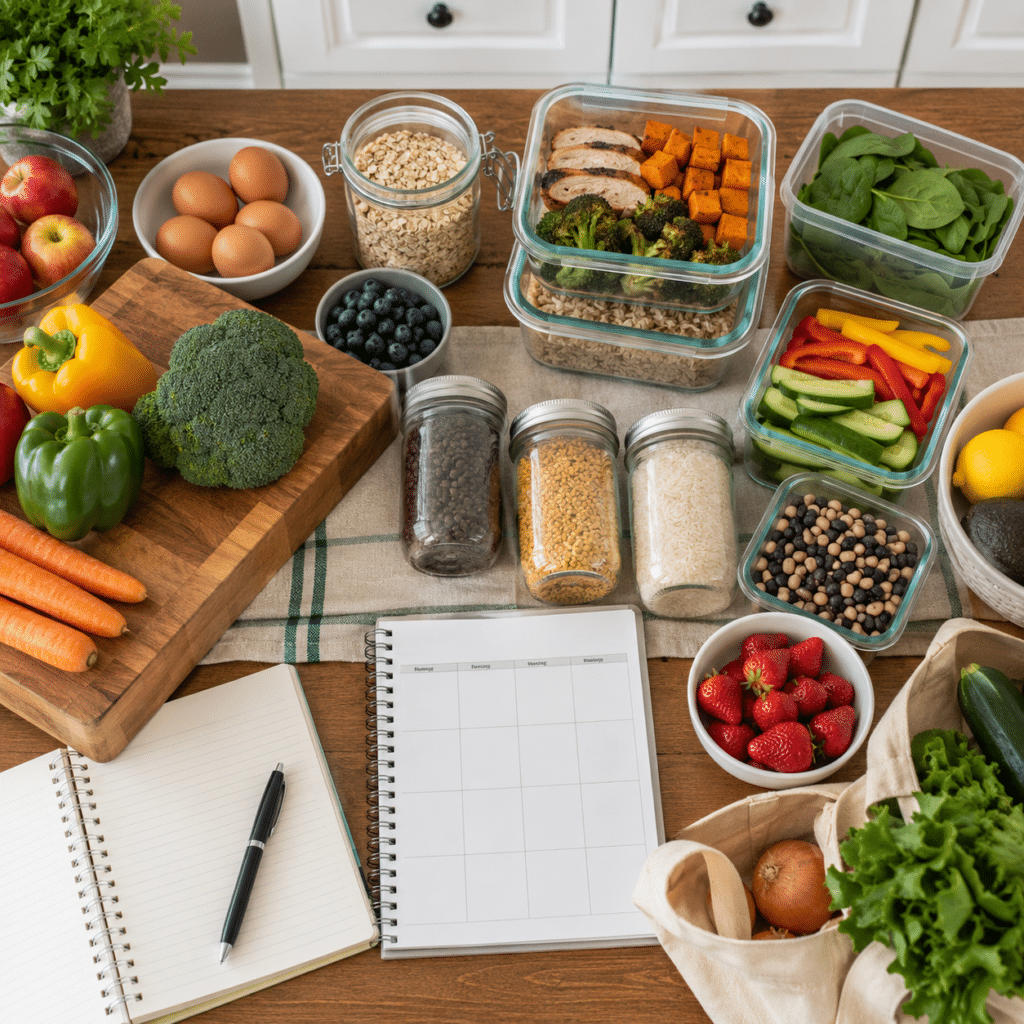
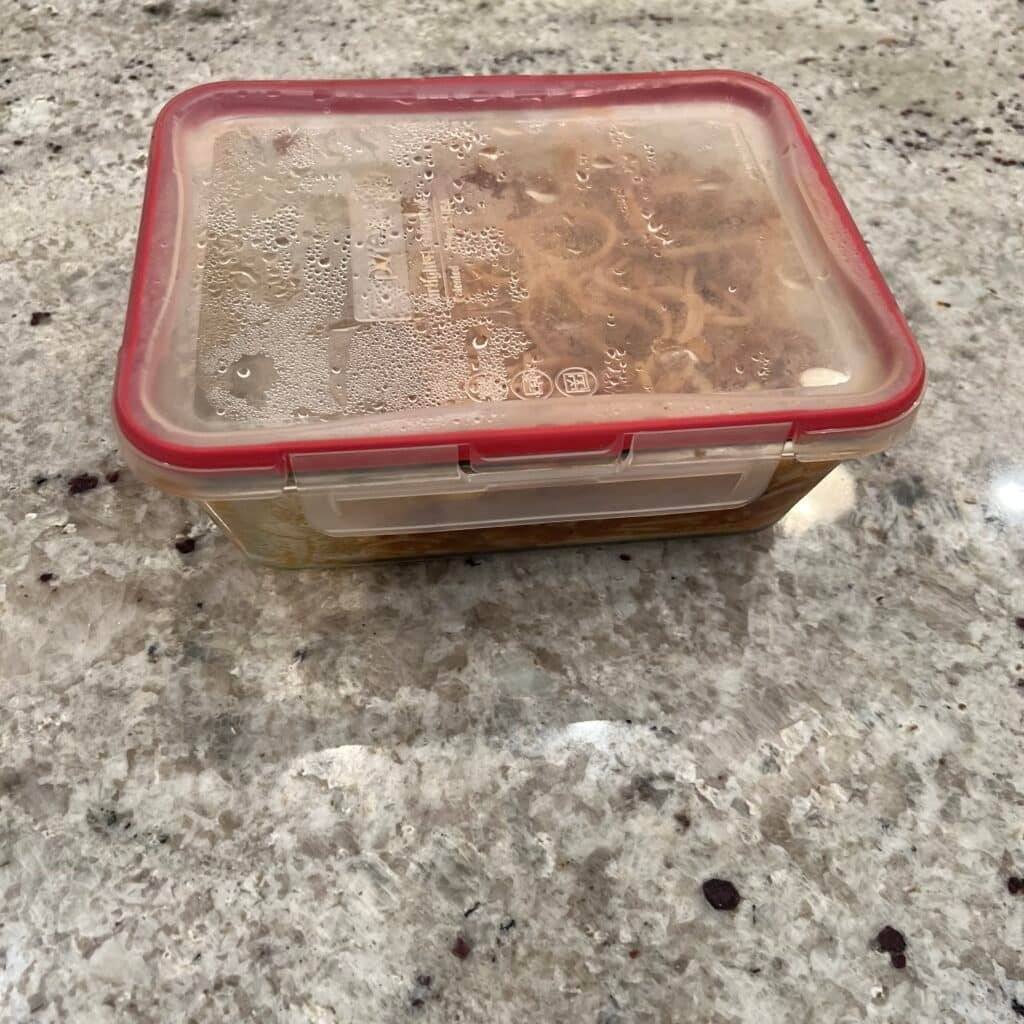
Now I meal prep just two times a week. Each time, I make a few of everyone’s favorites and store them in glass containers with airtight lids. These meals last 2–3 days, and we fill in the rest with leftovers or simple sandwiches. It saves time, reduces stress, and everyone gets something they love.
Breakfasts? Also Prepped.
I prep hot cereals in batches; my husband loves them all, while my boys prefer malt-o-meal and cream of wheat. We also keep:
- Homemade French toast
- Can biscuits stuffed with deli meat and cheese
- A good bowl of oatmeal for me
During the week, it’s “grab what you like.” On Sundays, I make a hot breakfast, omelets, pancakes, or French toast.
How We Store It All
We have two refrigerators and a wine cooler (just for drinks, no alcohol). This setup helps us stretch groceries, take advantage of sales, and reduce waste. When items are on sale, I buy in bulk. If not on sale, I allocate about $25 per week to purchase additional items until I have the desired amount. We spend about $150 per week for a family of four. We eat incredibly well on that. I could spend as little as $75-$100 per week and still eat well.
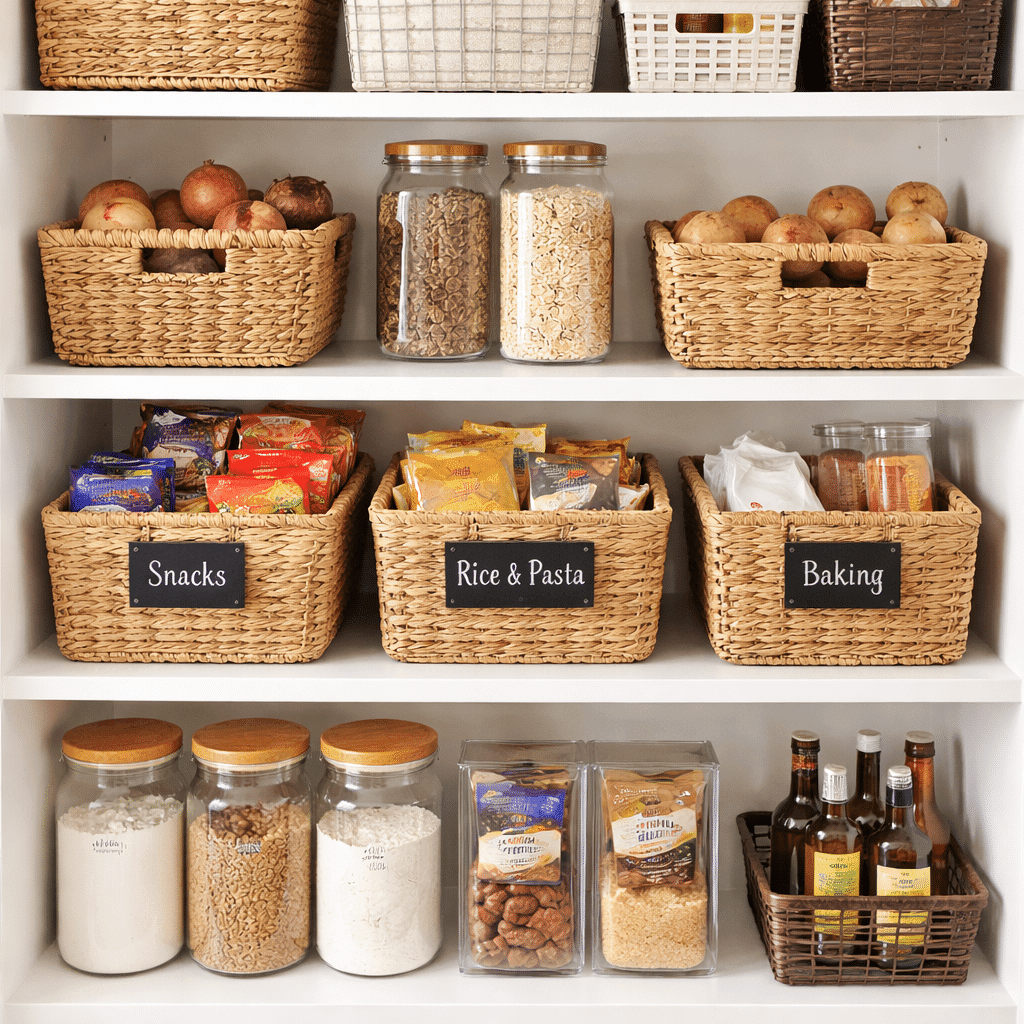
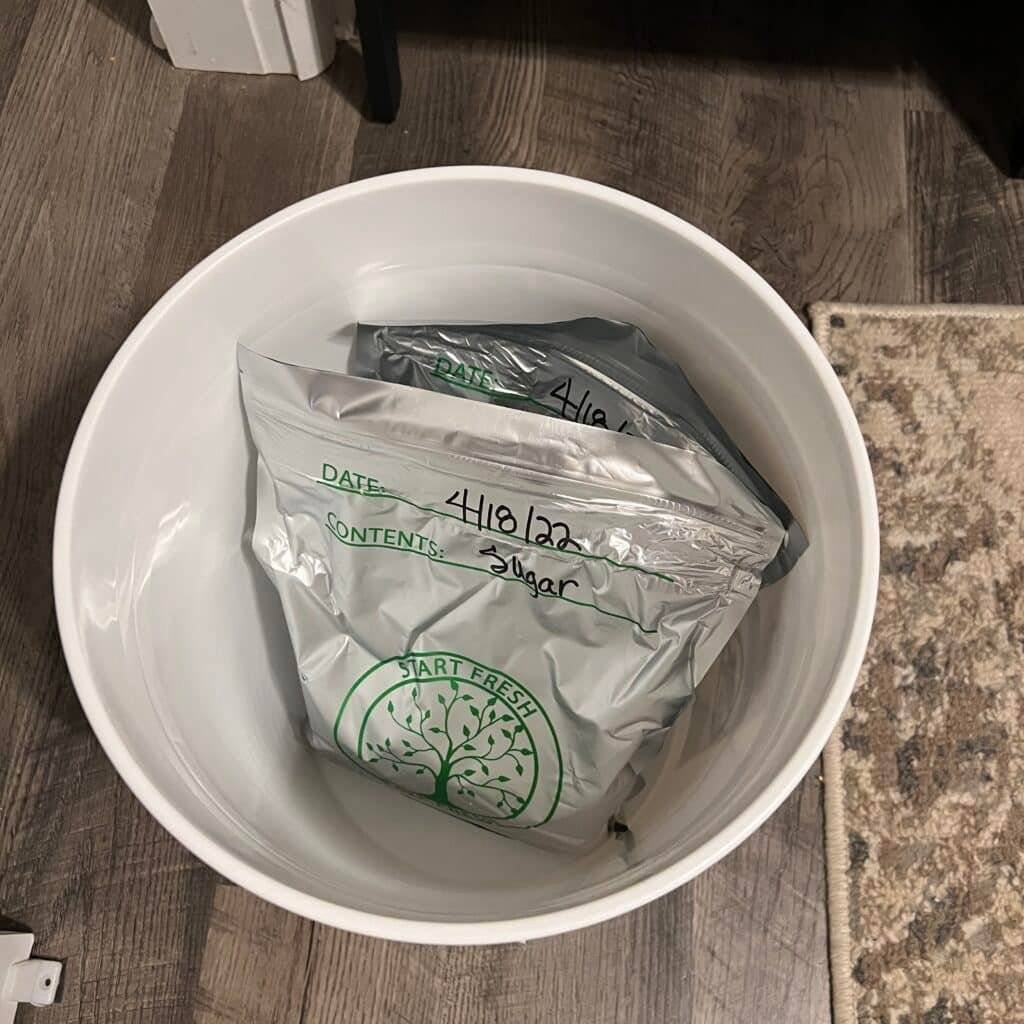
For dry goods like rice, flour, sugar, grits, corn meal, and beans, I use Mylar bags with oxygen absorbers and store them in food-grade buckets. Done properly, these can last up to 20 years. I will discuss food storage in detail in another blog.
15 Practical Meal & Grocery Tips That Actually Save Money
Smart Grocery Shopping Habits
- Set a grocery budget before making a list
- Use grocery delivery strategically (to avoid impulse buying and save gas)
- Buy store brands where quality is comparable
- Create a price tracker for frequently purchased items
- Leave room in your list for unplanned markdowns
Plan 3–4 core meals per week and rotate them
- Use one ingredient multiple ways (e.g., rice, beans, ground beef)
- Rework leftovers into something new
- Lean into one-pot meals and sheet-pan dinners
- Prep and freeze basics like onions, shredded cheese, or cooked beans
Minimize Waste & Maximize What You Have
- Create a “use it up” shelf in the fridge
- Shop your pantry before meal planning
- Store dry goods for long-term in airtight containers or mylar bags
- Label and freeze leftovers in individual portions
- Track recurring waste and adjust your future shopping lists
How We Get $20 Boxes of Organic Produce in Arizona
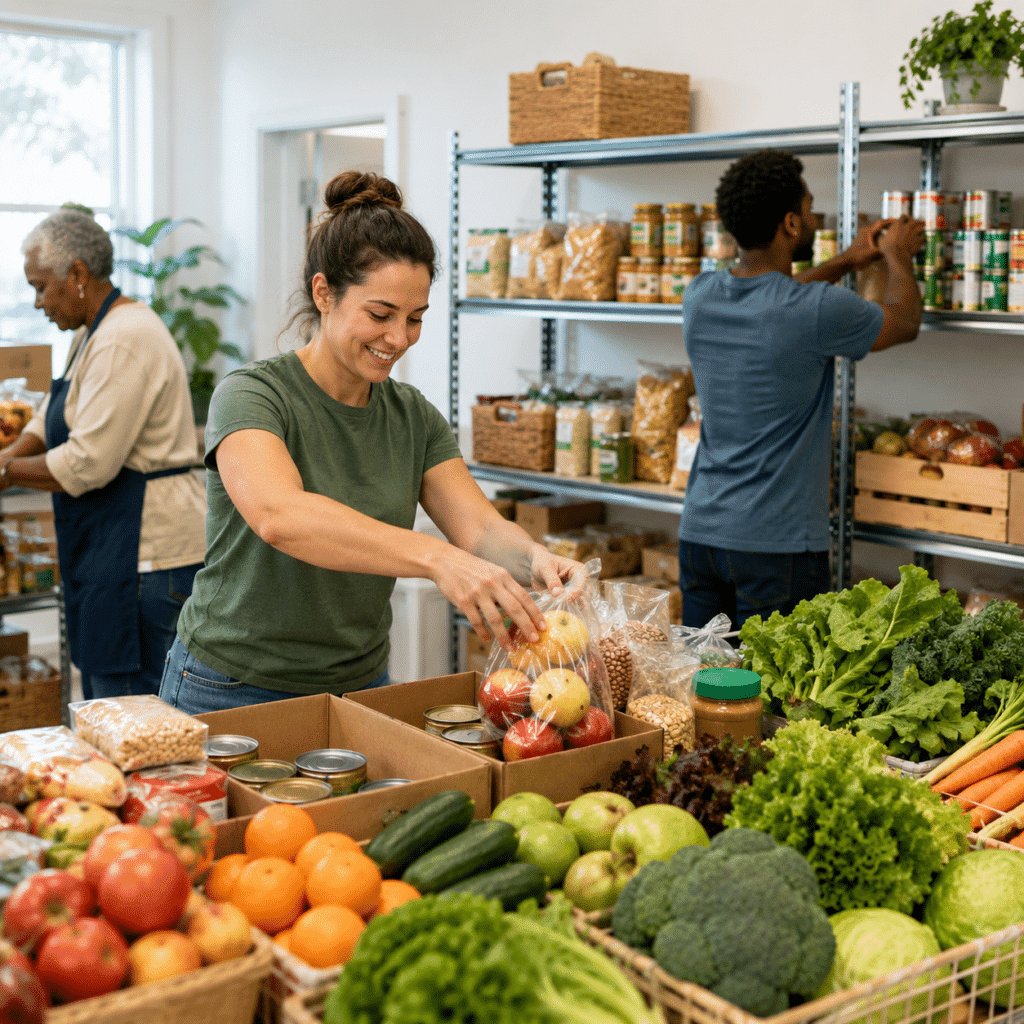
One of our favorite ways to save on groceries is by buying local produce boxes. Here in Arizona, we get huge boxes of mostly organic fruits and vegetables for just $20. These are surplus or store-rejected items, still fresh and delicious, just not “perfect” by store standards. Every Veterans Day, my husband and I (both veterans) receive a free box of produce. Last year, they gave us so many extras that we were encouraged to share with neighbors.
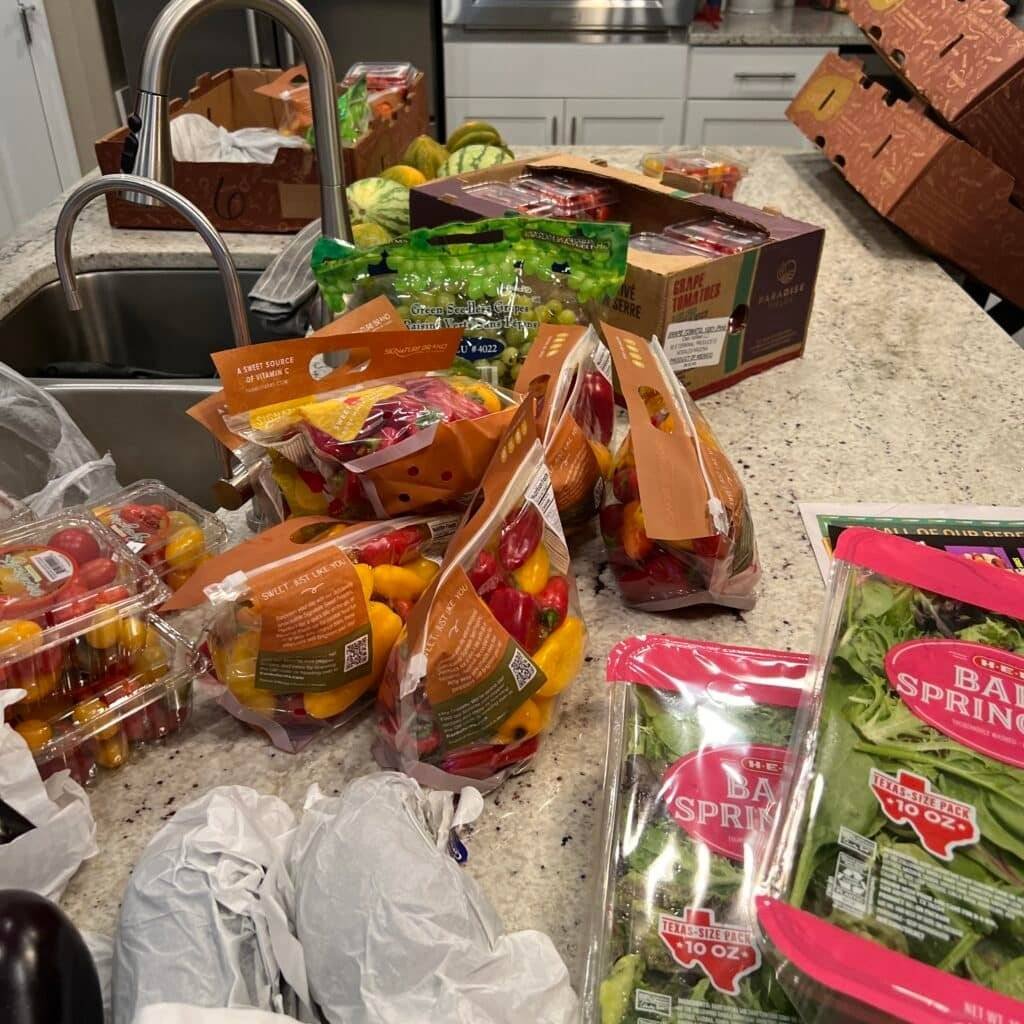
Check for farm boxes in your local area. There are many different boxes available. They are available in my area every Saturday. Some organizations will actually deliver to your door. As you can see in the image above, the fruits are fresh and something you would buy in the grocery store. In this haul, we had spinach, tomatoes, eggplant, mangoes, four types of grapes, including cotton candy (which was a big hit in our home), peppers, squash, melons, and much more.
When I have an abundance of tomatoes, peppers, etc., I roast the tomatoes at 450 degrees and make gallons of homemade tomato sauce, which we use for pasta, pizza, and chili. I dice up all of the peppers, label and freeze them.
Indoor Gardening
As I previously stated, we keep salad on hand. Here’s how we do it: We use a Gardyn system. We have two: one for about 8 varieties of lettuce and the other for tomatoes, peppers, herbs, and cucumbers. We love it; combined with the farm boxes, we have fresh fruits and vegetables year-round.
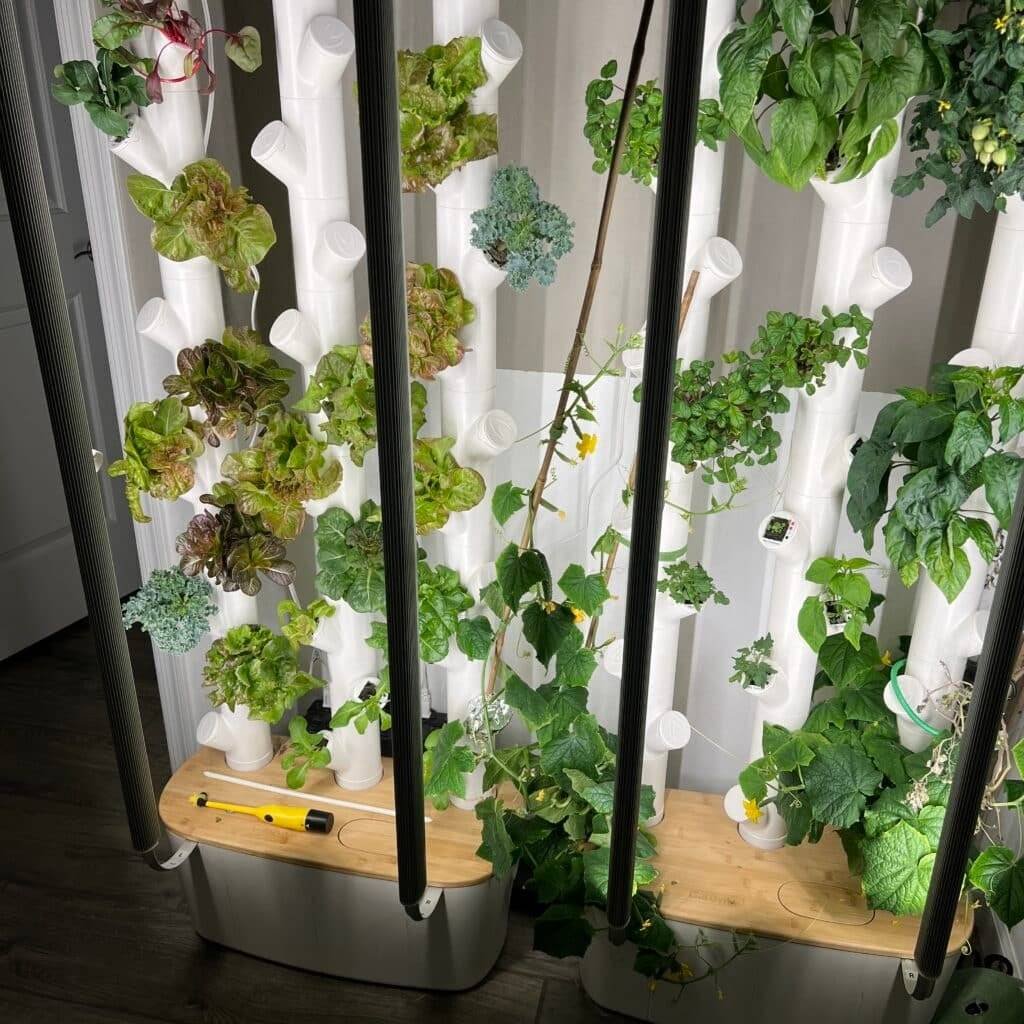
This indoor Gardyn is set up right outside the third bathroom(tucked away). It is down the hallway because the lights are very bright. The units fit perfectly and are as decorative as they are functional. I love passing it daily. We can pick lettuce four times before we replant the pods. They are attractive enough that some people keep them in their living room or off the kitchen as a focal point. I haven’t quite managed to grow strawberries yet. The plants and leaves grow well, but they have not produced any fruit yet. I can grow those on the patio before it gets too hot.
We also use co-ops like Azure Standard to buy organic products in bulk and save big.
Budget Tools That Make It All Easier
Grocery Savings Calculator…Grab your FREE calculator here
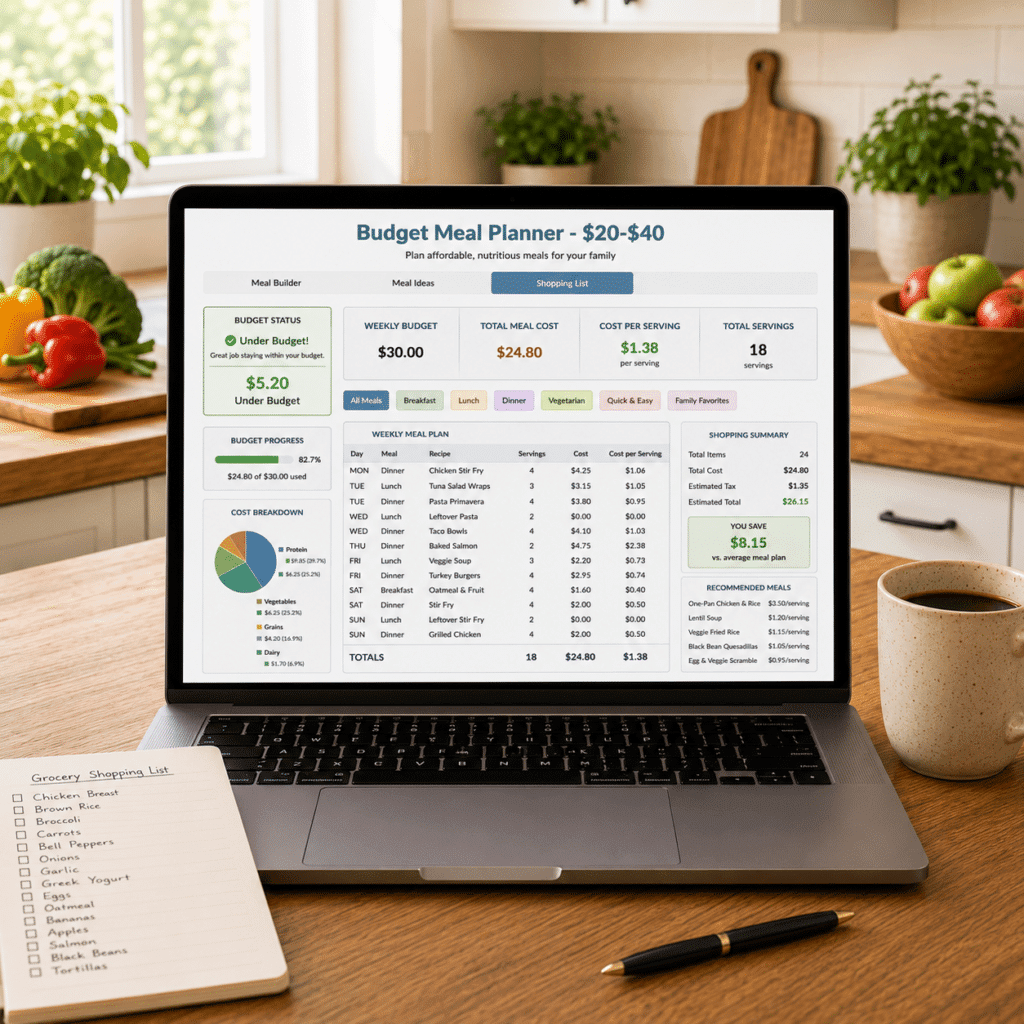
Budget Meal Planner (New & Improved!)
- Build meals by ingredient and see the cost per serving
- Budget indicator warns if meals exceed your target range
- Browse our 144 pre-loaded budget-friendly recipes by dietary preference
- Auto-generates a grocery list and cost estimate
- Download and share a clean PDF version
Why it matters: Food is usually your 2nd or 3rd largest monthly expense. These tools give you the control and clarity to plan realistically, save consistently, and reduce daily stress.
Common Mistakes That Sabotage Meal Budgets
- Shopping without a list
- Planning too many new/unfamiliar meals
- Buying ingredients you already have at home
- Not accounting for snacks, condiments, or drinks
- Letting leftovers go to waste
Final Thoughts: Keep It Simple and Sustainable
Frugal meal planning is about progress, not perfection. The goal is to spend less, waste less, and feed your family in a way that works for your life, not against it. Whether you’re batch cooking, rotating meals, or just trying to build better grocery habits, remember: this is your system. You get to make the rules.
FAQs About Budget Meals & Grocery Planning
Do I need to meal plan every single day?
Nope. I cook 2x a week, and it works great for us.
What’s the best way to start grocery delivery?
Start with your regular list and track if you save time, gas, or money from impulse buys.
Can I eat healthy and still stay on a budget?
Yes. It takes more planning, but fresh produce, beans, rice, and frozen veggies go a long way.
How do I manage different taste preferences?
I cook everyone’s favorites during batch days and store them in individual containers.
What if I hate cooking?
Start small, one easy dinner and one make-ahead breakfast can make a big difference.
Want to save time and money on meals every week? Try our Budget Meal Planner